Nocturnal Symptoms: The Warning Signs You Can’t Ignore
The most telling signs of sleep apnea happen while you’re asleep. Because the sufferer is unconscious during these episodes, it is often a bed partner or family member who first raises the alarm. Pay close attention to these critical nighttime indicators:
A. Loud, Persistent Snoring (The Primary Signal)
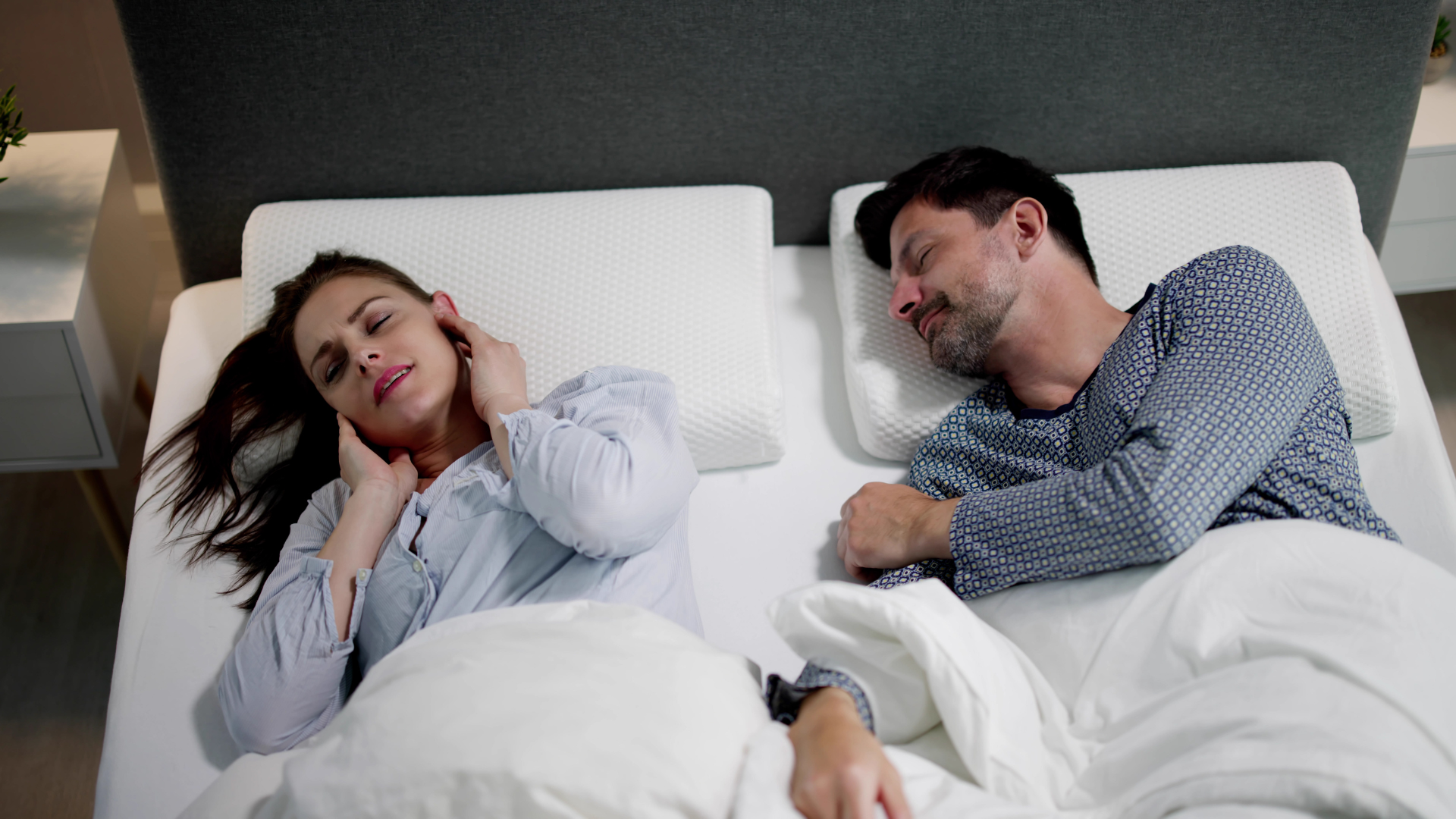
While not all snoring is an indicator of sleep apnea, loud, habitual snoring is the most common symptom. This isn't gentle rumbling; it is a disruptive, often room-shaking noise caused by the vibration of tissue as air is forced past a partially blocked airway.
The distinguishing factors are consistency and volume. If your snoring is loud enough to be heard through walls, it should be investigated. Critically, if the snoring is punctuated by silence (the "apnea" phase), it signals a more serious issue than simple snoring. Addressing this through targeted snoring treatment is vital for both your health and your partner's rest, as San Diego professionals specialize in this area.
B. Observed Pauses in Breathing (Apneas)
This is the hallmark sign of OSA. A partner may notice that the loud snoring suddenly stops, followed by a terrifying silence that lasts for 10 seconds or more. This silence is the moment the airway is fully obstructed, and the body is starved of oxygen. The episode ends with a sudden, often dramatic gasp, choking, or snoring sound as the brain, in a panic, triggers an emergency wake-up to force the airway open. These breathing pauses can occur numerous times each night.
C. Waking Up Choking or Gasping
While the breathing pauses themselves are involuntary, the moment of re-breathing can be quite jarring. The person with sleep apnea may be suddenly awakened by a sense of suffocation, feeling like they are choking or gasping for air. Even if these episodes are not consciously remembered, they severely disrupt the natural sleep cycle.
D. Restless Sleep and Night Sweats
The brain is constantly struggling to pull the body out of deep sleep and into a light state to prompt a breath. This results in restless sleep, characterized by a lot of tossing, turning, and shifting. Additionally, the constant physical effort required to overcome the blocked airway can increase heart rate and metabolism, leading to excessive and unexplained night sweats. These micro-arousals (which the sleeper never consciously recalls) are what prevent the sleep from being restorative.
Daytime Symptoms: How Sleep Apnea Steals Your Day
Because the sleep apnea sufferer never truly achieves high-quality, deep sleep, the consequences spill over into every aspect of their waking life. These daytime signs often motivate a person to seek help after recognizing the gravity of their
sleep apnea symptoms.
A. Excessive Daytime Sleepiness (EDS)
This is more than just being tired; it's an overpowering urge to sleep that can occur at inappropriate times. This fatigue often manifests as:
- Falling asleep within minutes of sitting down to watch TV, read, or work.
- Drowsiness during passive activities like driving or sitting in traffic (a dangerous symptom).
- A reliance on multiple cups of coffee or energy drinks just to function.
B. Cognitive and Memory Impairment
Chronic oxygen deprivation and fragmented sleep severely impact the brain’s ability to function optimally. Sufferers frequently report debilitating "brain fog," difficulty concentrating, making simple decisions, or focusing on complex tasks. Memory problems—especially difficulty retaining new information—are also common. This directly impacts job performance and quality of life.
C. Mood and Personality Changes
The emotional toll of perpetual exhaustion is immense. Many patients report increased irritability, frustration, and a low tolerance for stress. Over time, chronic sleep deprivation can mimic or exacerbate symptoms of clinical anxiety and depression. Friends and family members often notice a distinct personality shift, with the individual becoming withdrawn or emotionally volatile.
D. Morning Headaches and Dry Mouth
Waking up with a dull, throbbing headache is a frequent complaint. This is believed to be caused by changes in carbon dioxide and oxygen levels in the blood overnight. Furthermore, because the person struggles to breathe through their nose due to the obstruction, they are forced to breathe through their mouth to compensate. This leads to a persistently dry mouth and sore throat upon waking.
The Long-Term, Hidden Health Risks
The impact of sleep apnea goes far beyond tiredness. Untreated, the disorder turns into a systemic health crisis. The cycle of plummeting oxygen levels followed by a panicked awakening causes huge stress on the entire body. The chronic nature of this stress is what leads to the most serious health consequences:
A. Cardiovascular Disease
Sleep apnea is a major risk factor for heart problems. Every time breathing pauses, the sympathetic nervous system (fight or flight) kicks in, spiking your blood pressure. This constant nightly pressure causes wear and tear on your arteries and heart. OSA is strongly linked to:
- High Blood Pressure (Hypertension)
- Heart Attack
- Stroke
- Irregular Heartbeats (Arrhythmias, especially Atrial Fibrillation)
B. Metabolic and Endocrine Issues
The disorder fundamentally disrupts the body’s hormonal balance. The lack of quality sleep interferes with the hormones that regulate blood sugar and appetite. This increases the risk for developing Type 2 Diabetes and makes weight loss extremely difficult. Patients often find themselves in a vicious cycle: sleep apnea causes weight gain, and weight gain worsens sleep apnea.
C. Increased Accident Risk
Due to severe Excessive Daytime Sleepiness (EDS), individuals with untreated sleep apnea are up to seven times more likely to be involved in a drowsy driving accident. This is a risk not just to the patient, but to everyone on the road. The cognitive impairments also lead to an increased risk of accidents in the workplace or at home.
Diagnosis and Getting Personalized Help in San Diego
If you have recognized any of these
sleep apnea symptoms, San Diego specialists warn that it is time to seek professional evaluation. The path to diagnosis is simpler and more convenient than ever before.
A. When to See a Specialist
Do not wait until your symptoms become life-threatening. If your partner has told you that you stop breathing at night, or if your daytime fatigue is impacting your work, mood, or driving safety, consult a Dental Sleep Medicine Specialist. These professionals specialize in the oral and airway structures related to OSA and snoring.
B. The Diagnostic Process
At Complete Health Sleep SoCal, we are committed to removing barriers to diagnosis. We utilize convenient at-home sleep testing, which allows you to take the test in the comfort and privacy of your own bed, rather than a sterile hospital environment. This allows our team to:
- Accurately measure your sleep, oxygen levels, and breathing patterns.
- Provide a clear diagnosis of the severity of your sleep apnea.
- Develop a personalized, patient-focused treatment plan based on your results.
C. The Expertise of Complete Health Sleep SoCal
Conveniently located in the San Diego area, our clinic is dedicated to serving the greater San Diego region. Our specialty is providing advanced, personalized care, particularly for patients who cannot tolerate traditional treatments. We are experts in treating both simple snoring and complex obstructive sleep apnea using non-invasive, custom solutions.
Treatment Options: Focusing on CPAP Alternatives
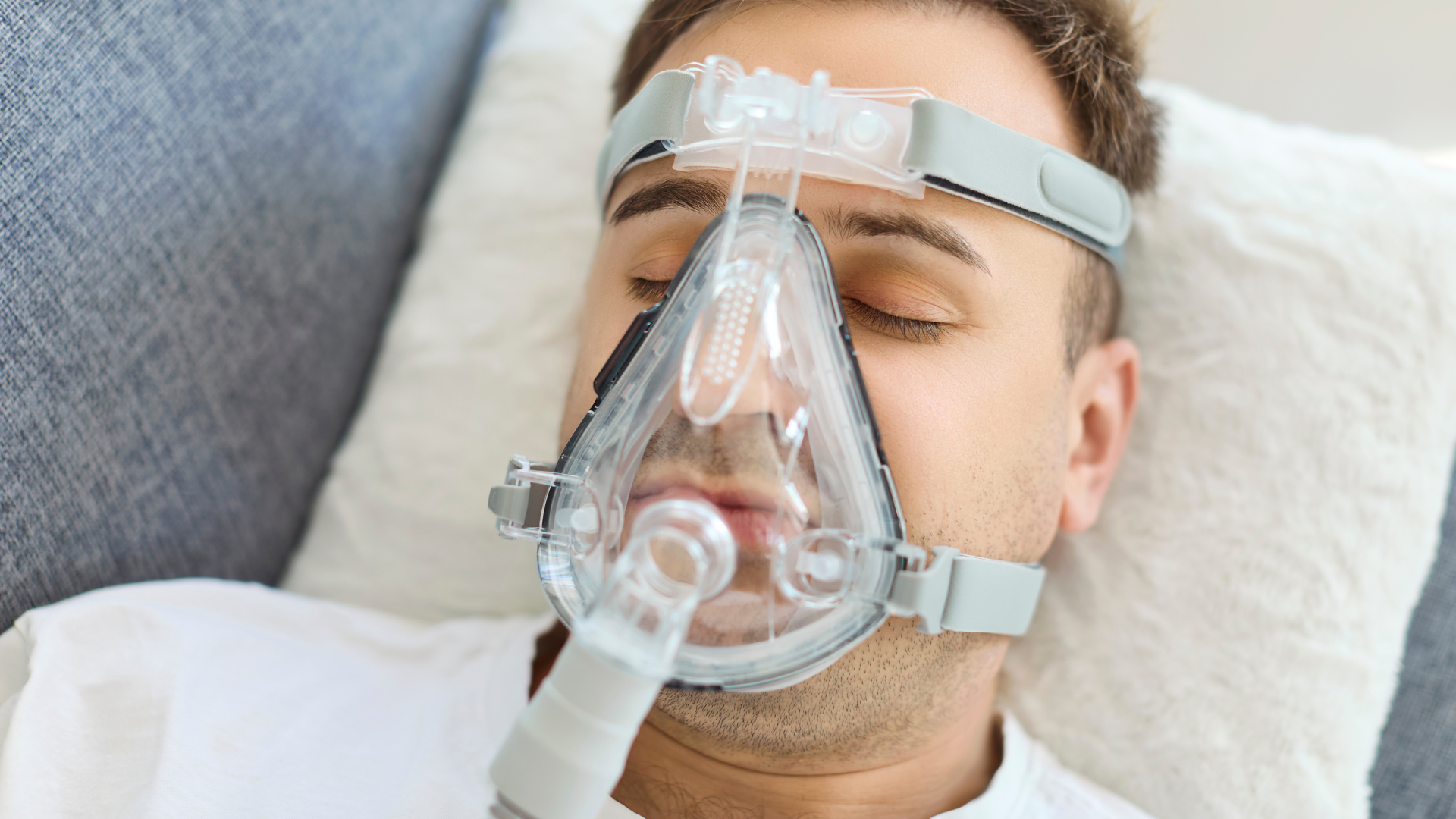
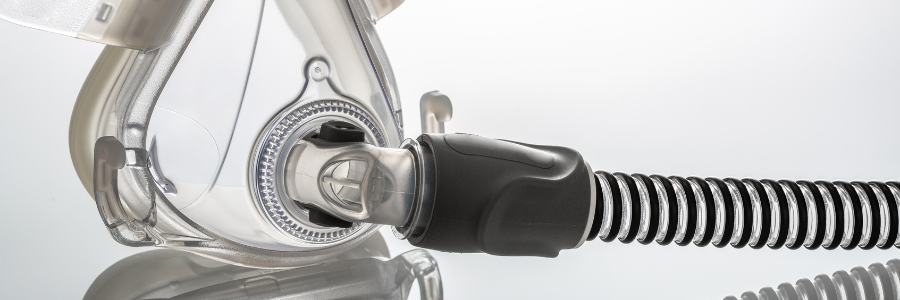
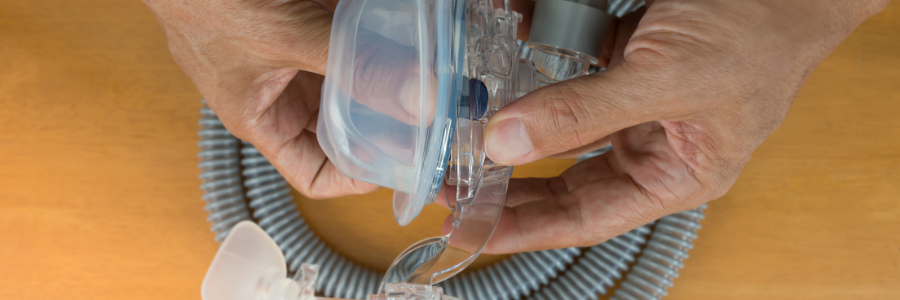
For decades, the standard treatment for OSA has been CPAP (Continuous Positive Airway Pressure). While effective, it’s not for everyone. Many patients find the mask uncomfortable, the machine noisy, and the compliance difficult, leading them to abandon treatment and remain at risk.
A. Oral Device Therapy (The Optimal Alternative)
Fortunately, you have a choice. At
Complete Health Sleep SoCal, we specialize in Oral Device Therapy—a comfortable, highly effective alternative to the CPAP machine.
An oral appliance is a custom-fitted device, similar to a retainer or a sports mouthguard, that you wear only while sleeping. It works by gently holding the jaw and tongue in a slightly forward position, which keeps the upper airway open and patent.
B. Targeted Local Care
This treatment offers a proven solution for both mild to moderate sleep apnea and chronic snoring, even for individuals with severe sleep apnea who cannot tolerate a CPAP. Oral Device Therapy is a fantastic, patient-approved option for snoring treatment that San Diego residents are seeking, especially if they value:
- Comfort and Discretion: Small, custom-made, and non-invasive.
- Portability: Easy to travel with, no cords or large machines.
- High Compliance: Patients are far more likely to wear them consistently, ensuring treatment success.
Our team works with FDA-approved devices and manages the insurance and Medicare coverage process to ensure you receive the life-changing treatment you deserve.
Conclusion
Sleep apnea is a serious health condition, but it is one of the most treatable. Recognizing the
sleep apnea symptoms that San Diego specialists have outlined is your critical first step. You do not have to settle for chronic fatigue or put your health at risk. The path to regaining your energy, improving your focus, and protecting your long-term health is available through personalized, non-invasive treatment options.
Don't let the hidden sleep thief steal another night—or another day—from you.
Be Healthy | Be Happy | Sleep Better
Take Action Today!