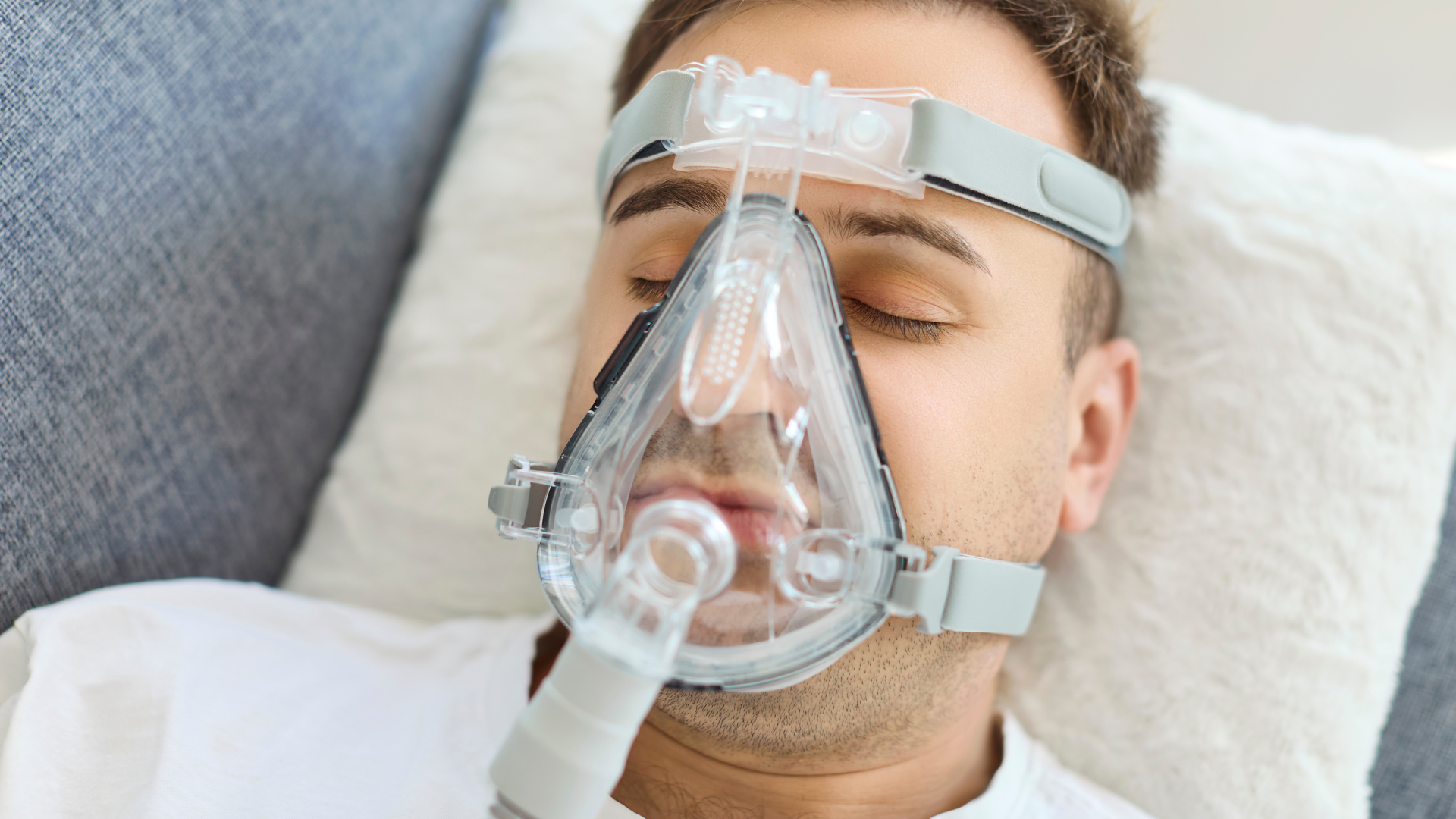
The Veteran's Guide: Is Sleep Apnea a Disability for VA Benefits?

A woman is laying in bed holding an alarm clock.

Sleep apnea is a significant health concern for many veterans, impacting everything from daily energy to long-term health. If you are a veteran struggling with this condition, you may be wondering: is sleep apnea a disability in the eyes of the VA? The answer is yes, but it requires a strategic approach to your claim. 

This guide will walk you through the essential steps, from understanding your symptoms to building a strong case for VA disability benefits.


Spotting the Signs: Sleep Apnea Symptoms in Poway and Beyond


Recognizing the symptoms of sleep apnea is the first step toward a diagnosis and a successful claim. While most people think of loud snoring, more signs are often more complex and can be mistaken for other health issues like PTSD or chronic fatigue.


Common sleep apnea symptoms include:

  • Loud, persistent snoring
  • Waking throughout the night, gasping for air or choking
  • Excessive daytime sleepiness
  • Morning headaches
  • Difficulty with concentration and memory
  • Irritability and mood swings

If you or a loved one notice these symptoms, it's crucial to seek a professional medical opinion. A formal diagnosis is the cornerstone of any successful VA disability claim.


Your First Step: Using a Sleep Apnea Screener


A sleep apnea screener can provide a quick initial assessment of your risk before a full sleep study. Tools like the STOP-Bang questionnaire evaluate factors like snoring, tiredness, observed breathing pauses, and body mass index to determine if a sleep study is warranted.


While a screener is a helpful starting point, remember that it is not a diagnosis. To qualify for VA benefits, you must have a formal diagnosis confirmed by a sleep study, known as a polysomnography. This comprehensive test monitors your breathing, heart rate, oxygen levels, and other vital signs while you sleep, providing the definitive evidence needed for your claim.


How to Prove a Service Connection for Your Claim


The most critical part of a VA disability claim for sleep apnea is proving a service connection. This means demonstrating that your condition is linked to your time in the military. There are three primary ways to do this:


  1. Direct Service Connection: The sleep apnea was diagnosed while you were on active duty. This is the most straightforward connection, but also the most rare.
  2. Secondary Service Connection: The sleep apnea was caused or aggravated by another service-connected disability. For many veterans, this is the most viable path. Common examples include:
  • PTSD: Sleep apnea is often a secondary condition to PTSD due to the impact of the disorder on sleep patterns and stress-related weight gain.
  • Obesity: A secondary connection can be established if weight gain is a documented result of a service-connected condition (like a knee injury that prevents exercise), and that weight gain caused the sleep apnea.
  • Respiratory Conditions: Burn pit exposure or other respiratory issues from service can lead to sleep apnea.

  3. Aggravation: A pre-existing sleep apnea condition was worsened beyond its natural progression by your military service.


To prove any of these connections, you need more than a diagnosis. A Nexus Letter from a medical professional is a powerful piece of evidence. This letter formally links your sleep apnea to a specific event or service-connected condition, using language the VA requires, such as stating it is "at least as likely as not" due to your service.


Understanding the VA Disability Rating for Sleep Apnea


The VA rates sleep apnea under Diagnostic Code 6847, with ratings based on the severity and required treatment.

  • 0% Rating: Your condition is documented, but you are asymptomatic (have no symptoms) and do not require treatment.
  • 30% Rating: You experience persistent and significant daytime sleepiness that impairs your ability to function.
  • 50% Rating: This is the most common rating for sleep apnea. It is assigned if you require a breathing assistance device, such as a CPAP machine.
  • 100% Rating: This rating is reserved for severe cases in which sleep apnea leads to chronic respiratory failure, carbon dioxide retention, or the need for a tracheostomy.


It's vital to note that the VA is considering changes to this rating system. While the current system is in place, filing your claim is the best way to secure the benefits you deserve.

Frequently Asked Questions (FAQs)


  • Q: Do I need a sleep study to get a VA rating for sleep apnea?

    A: Yes. A formal diagnosis from a sleep study (polysomnography) is required. The VA will not grant a rating for a sleep apnea claim without this critical medical evidence.

  • Q: Can I get a secondary service connection for sleep apnea if I have PTSD?

    A: Yes. There is a strong medical link between PTSD and sleep apnea. If your service-connected PTSD has caused or aggravated your sleep apnea, you can file a claim for a secondary service connection.

  • Q: What if I have sleep apnea but do not use a CPAP machine?

    A: If a CPAP machine is prescribed but you do not use it, the VA may deny your claim or give you a lower rating. To qualify for the 50% rating, you must not only be prescribed a CPAP but also show documented compliance with its use.

  • Q: What is a Nexus Letter and why is it important?

    A: A Nexus Letter is a medical opinion from a doctor that links your sleep apnea to a specific in-service event or another service-connected disability. It is one of the most potent pieces of evidence you can provide to prove a service connection.

Take the Next Step for Your Health and Benefits

If you are a veteran dealing with sleep apnea, it's essential to get a formal diagnosis and build a strong, evidence-based claim. Do not let your symptoms go untreated or your benefits go unclaimed.

Contact our clinic in Poway for a professional evaluation and a sleep study. We can provide the critical medical evidence to support your claim and help you get back to a life of restful sleep and renewed energy.


Contact Us Today for a Consultation

[Learn More About Our Sleep Apnea Services]

View Our Website to Learn More About Sleep Apnea


Woman sleeping peacefully in bed, covered with a thick white blanket, sunlight on her face.
November 27, 2025
Living in San Diego and always feeling tired? Discover the critical sleep apnea symptoms San Diego residents need to watch for, the serious health risks of untreated OSA, and effective, custom snoring treatment San Diego specialists offer.
CPAP mask with text overlay
August 29, 2025
Living with sleep apnea can be a frustrating, exhausting experience. The constant feeling of fatigue, the disruptive snoring that wakes you
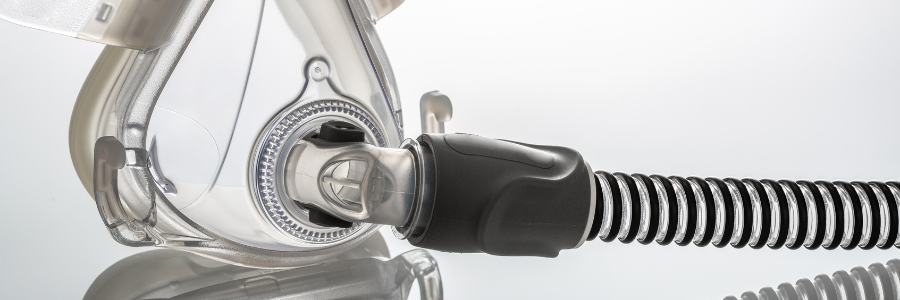
CPAP mask with clear plastic face covering, gray hose, and black and white corrugated tubing.
August 28, 2025
The information provided in this blog is for educational purposes only and is not a substitute for professional medical advice, diagnosis, or treatment.
A woman is sleeping in a bed with white sheets and pillows.
By Kerwien Bengil July 29, 2025
Are you among the millions who feel tired, but have restless nights, or experience unexplained "brain fog" during the day? These common complaints often point to a deeper issue: sleep-disordered breathing (SDB). Unfortunately, SDB is frequently overlooked or misdiagnosed, leaving countless individuals without desperate
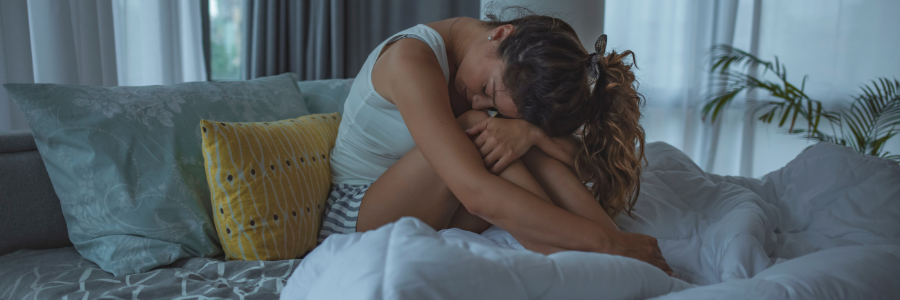
Can Sleep Apnea Lead to Disability? Signs You Shouldn't Ignore
July 21, 2025
For many, sleep apnea is dismissed as just chronic snoring or feeling tired.
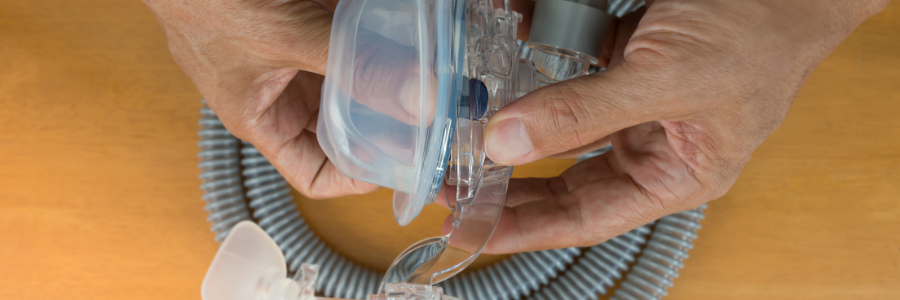
Is There a Way to Treat Sleep Apnea Without a CPAP Machine?
July 21, 2025
The idea of a Continuous Positive Airway Pressure (CPAP) machine evokes images of a bulky mask, whirring noises, and a restless night for some people. While CPAP has long been the gold standard for treating sleep apnea, its drawbacks often leave sufferers wondering: Is there an alternative to a CPAP machine ? The good news is, the answer is a resounding yes for many individuals. Sleep apnea is a serious sleep disorder where breathing repeatedly stops and starts during sleep. These interruptions often last ten seconds or more, and can happen hundreds of times a night, leading to fragmented sleep and a host of health problems. Beyond chronic fatigue and irritability, untreated sleep apnea is linked to high blood pressure, heart attack, stroke, diabetes, and even increased risks while driving and completing daily activities. While CPAP effectively keeps the airway open, its discomfort, noise, and travel inconvenience lead many to seek a CPAP alternative . This article will explore the various effective options now available, offering hope for those seeking a different path to restful, healthy sleep.
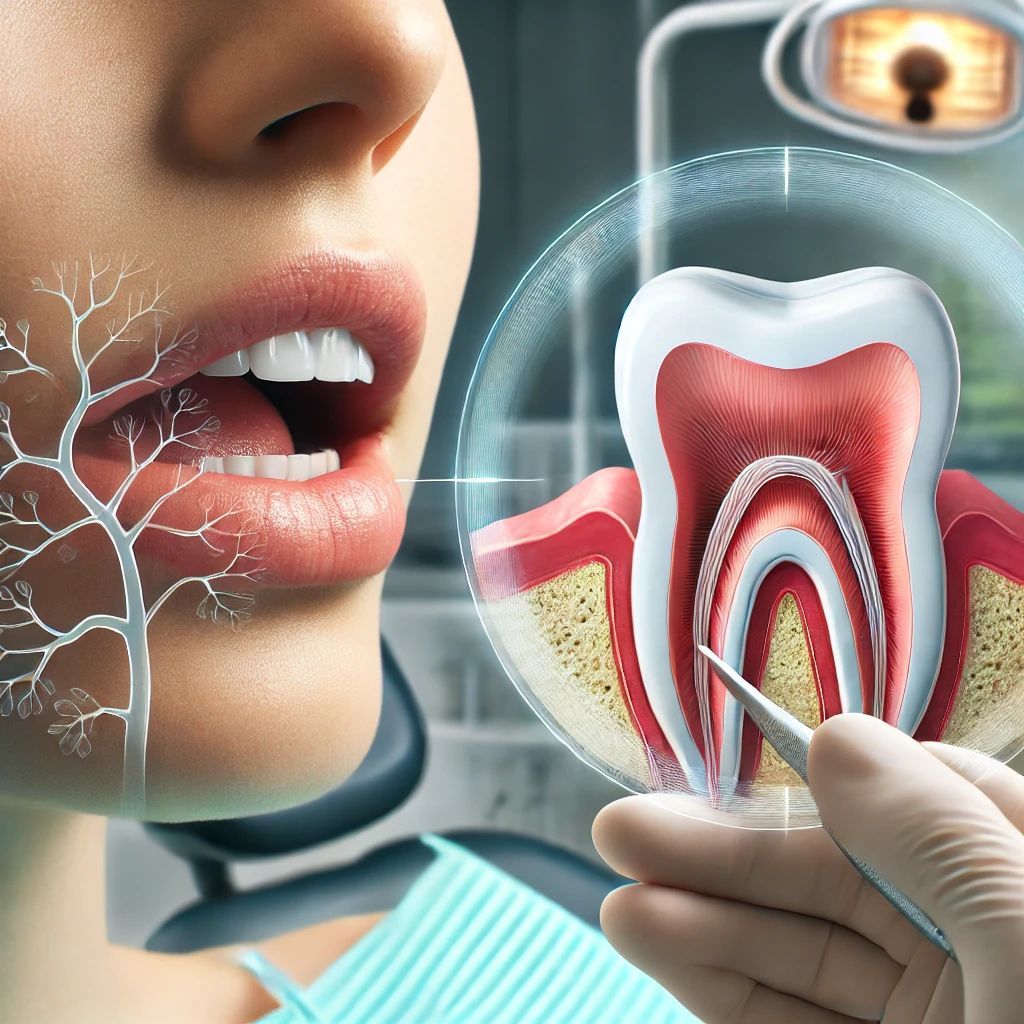
By Patrick Glinogo June 13, 2025
When you think about sleep apnea, your dentist may not be the first healthcare provider that comes to mind. However, dentists are uniquely positioned to detect signs of obstructive sleep apnea (OSA) that often go unnoticed in regular medical checkups. Your oral health can reveal vital clues about your sleep quality and overall health. In this blog post, we’ll explore how oral health and sleep apnea are connected and why your dentist plays an essential role in recognizing and treating this common yet serious condition.

June 13, 2025
Sleep apnea is often treated with devices like CPAP or custom oral appliances—but could something as simple as what you eat also make a difference? The answer is yes. While diet won’t replace medical treatment, research shows that targeted nutrition and healthy lifestyle changes can reduce the severity of obstructive sleep apnea (OSA) and support better breathing during sleep. Let’s explore the connection between food and sleep apnea—and what changes might help you sleep more soundly.
June 13, 2025
If you're struggling with poor sleep—or you're treating conditions like sleep apnea, insomnia, or daytime fatigue—your bedroom could be part of the problem. The truth is, even the most effective treatment (like a custom sleep appliance) won’t work as well in a space that’s working against you. In this post, we’ll walk through how to create a sleep-friendly bedroom that promotes deep, restorative rest—whether you’re managing a sleep disorder or simply looking to sleep better.
June 13, 2025
When you think of sleep apnea, the image that probably comes to mind is an older, overweight man who snores loudly. But here’s the truth: millions of women have sleep apnea—and many don’t even know it. In fact, up to 90% of women with obstructive sleep apnea (OSA) remain undiagnosed . This isn’t just a diagnostic blind spot. It’s a public health issue. Untreated sleep apnea increases the risk for heart disease, stroke, diabetes, depression, and cognitive decline—including Alzheimer’s disease . So why are women so often overlooked? Let’s break down the reasons—and what you can do if you suspect sleep apnea might be affecting you or someone you love.