Not yet, but one may be close. The FDA has accepted the New Drug Application for AD109 (proposed brand name Oxnimbi), a once-nightly pill for obstructive sleep apnea, and set a target action date of February 28, 2027. If approved, it could become the first oral drug therapy for OSA. It would add a new option, not replace CPAP or oral appliance therapy.
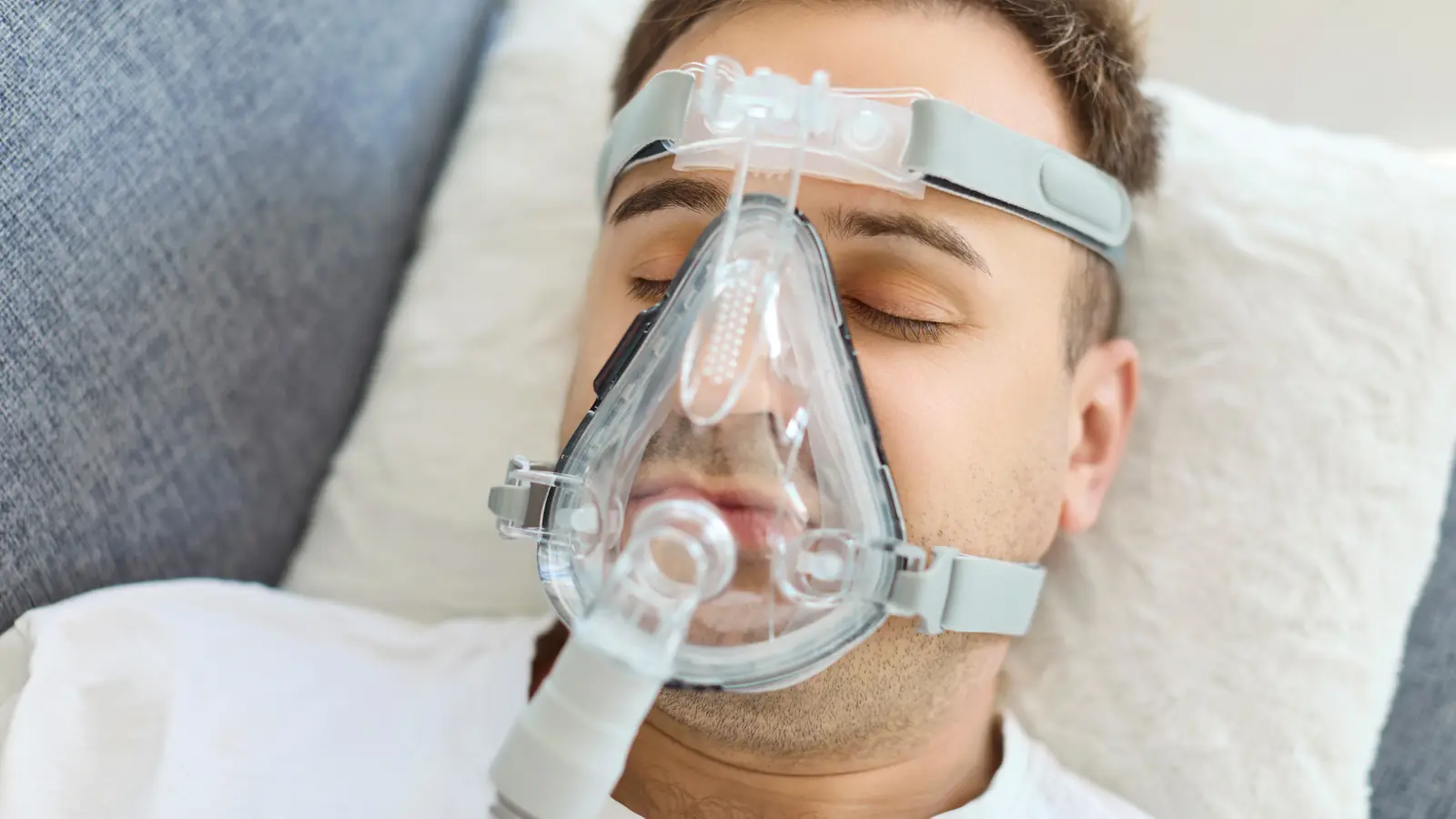
For many people living with obstructive sleep apnea (OSA), continuous positive airway pressure (CPAP) and oral appliance therapy (OAT) are highly effective treatments. Still, some patients struggle to find an option that fits their lives. The landscape of OSA treatment keeps evolving, and an important development may soon add a completely new kind of option to the toolbox.
New research presented this month also suggests one group of patients may respond especially well: women after menopause.
What is AD109?
AD109 is an investigational pill, taken once nightly at bedtime, developed by Apnimed. It combines two medications, aroxybutynin and atomoxetine, and is designed to address the neuromuscular contributors to airway collapse during sleep.
Rather than holding the airway open mechanically, as CPAP or an oral appliance does, it aims to help the muscles that keep the airway open stay more active during sleep.
When could the FDA approve a sleep apnea pill?
Apnimed announced in July 2026 that the FDA had accepted its New Drug Application for AD109. The FDA set a target action date of February 28, 2027, the date by which the agency aims to make a decision. A target date is not a guarantee of approval.
The application is supported by two phase 3 trials, SynAIRgy (26 weeks) and LunAIRo (51 weeks). Both were randomized, double-blind and placebo-controlled, and enrolled adults with mild, moderate and severe OSA. Across the program, AD109 produced statistically significant reductions in the apnea-hypopnea index and improved oxygen measures.
Why is the new research on women after menopause important?
At the CHEST 2026 Annual Meeting, researchers shared an analysis of the two phase 3 trials looking specifically at 492 postmenopausal women. This matters for several reasons:
Women are at higher risk after menopause. The odds of having OSA are about three times higher after menopause, yet many women's symptoms are attributed to stress, hormones or aging. Read more about why sleep apnea often goes undiagnosed in women.
The response was encouraging. In postmenopausal women, AD109 reduced AHI4 by a geometric mean of 59.6%, compared with 16% on placebo, and lowered hypoxic burden by 69.8%, compared with 20%.
More research is needed. The investigators described these findings as hypothesis-generating, since the analysis was exploratory and post hoc.
Oral health deserves attention. Dry mouth and constipation were more common in postmenopausal women taking the medication. Chronic dry mouth can increase the risk of cavities and gum problems, making regular dental care especially important for anyone on this type of therapy.
This development is particularly meaningful for patients who have found it difficult to use CPAP or are looking for additional ways to manage their sleep apnea.
Will a pill replace CPAP or an oral appliance?
An oral medication would not replace existing therapies. It fits a broader trend toward personalized medicine in sleep health. Alongside CPAP, hypoglossal nerve stimulation and oral appliance therapy, a proven, non-invasive option for many OSA patients, medication may one day be used on its own or in combination with other treatments. That gives patients a wider range of effective choices for better sleep and better overall health.
If you are struggling with CPAP today, you don't need to wait. Learn about proven CPAP alternatives available now.
If you are diagnosed but struggling with CPAP, ask about oral appliance therapy, which is available and effective today.
If you are interested in AD109, talk with your sleep physician. Until FDA approval, it is available only in clinical trials.
Frequently asked questions
Is there a pill for sleep apnea?
Not yet. AD109 is an investigational once-nightly pill for obstructive sleep apnea. The FDA has accepted its New Drug Application and set a target action date of February 28, 2027. If approved, it could become the first oral drug therapy for OSA. Until then, it is available only in clinical trials.
What is AD109 and how does it work?
AD109, developed by Apnimed, combines two medications, aroxybutynin and atomoxetine, in one tablet taken at bedtime. Instead of holding the airway open mechanically like CPAP or an oral appliance, it aims to keep the muscles that support the upper airway more active during sleep, so the airway is less likely to collapse.
When could AD109 be approved?
The FDA's target action date is February 28, 2027. A target date is when the agency aims to make a decision; it does not guarantee approval.
Does AD109 work better in women after menopause?
An exploratory analysis presented at CHEST 2026 found that postmenopausal women taking AD109 had a 59.6% reduction in AHI4 compared with 16% on placebo, and a 69.8% reduction in hypoxic burden compared with 20%. The researchers called these results hypothesis-generating, so more research is needed to confirm them.
What are the side effects of AD109?
In the phase 3 trials, the most common side effects were dry mouth, insomnia and nausea. Dry mouth and constipation were more common in postmenopausal women. Because chronic dry mouth raises the risk of cavities and gum disease, regular dental care matters for anyone on this type of therapy.
Will a sleep apnea pill replace CPAP or oral appliances?
Unlikely. A medication would add a new option rather than replace existing ones. CPAP, oral appliance therapy and hypoglossal nerve stimulation remain proven treatments, and medication may one day be used on its own or together with them, depending on each patient's needs.
Your path forward
At Complete Health Sleep SoCal in Poway, we are dedicated to offering advanced, effective treatments for obstructive sleep apnea. Emerging therapies like AD109 are a welcome development, and we will continue to follow the research closely while providing established, effective solutions like oral appliance therapy. If you are struggling with OSA and looking for personalized treatment options, we can help you breathe easy and sleep deep.
For a complete guide to sleep apnea, its treatment options and how to navigate your journey to better sleep, read my book, Breathe Easy, Sleep Deep, available on Amazon and Audible.
This article is for educational purposes only and is not intended as medical advice. AD109 is an investigational medication and has not been approved by the FDA. Please consult your healthcare provider about your individual diagnosis and treatment options.
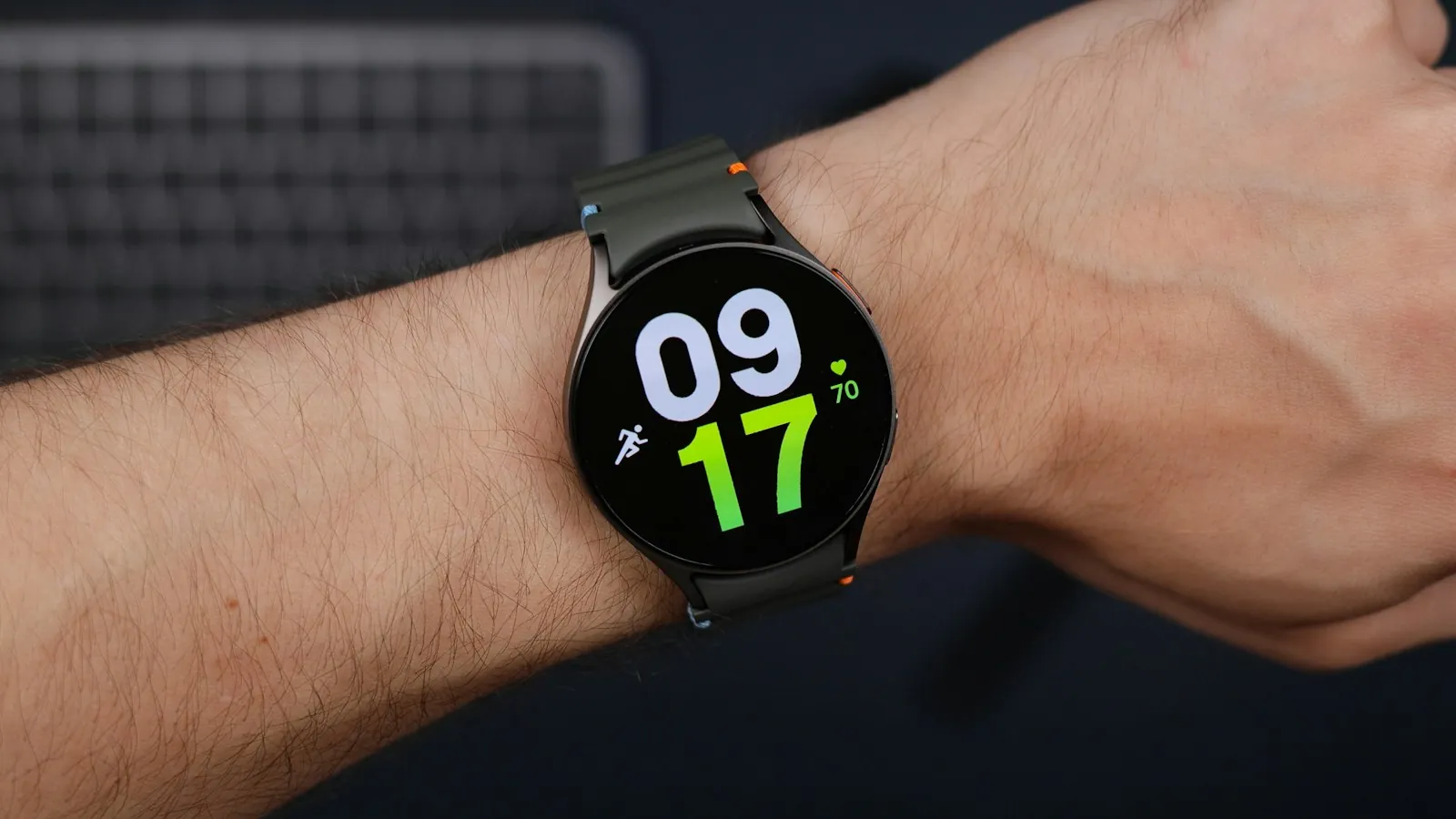
A new study found a Samsung Galaxy Watch flagged 94% of adults with moderate-to-severe sleep apnea. Here's what that means, what it can't do, and what to do if your watch alerts you.
The FDA is reviewing AD109, a nightly pill that could become the first drug treatment for obstructive sleep apnea. Here's what the research shows, why women after menopause may respond well, and what it means for CPAP and oral appliances.