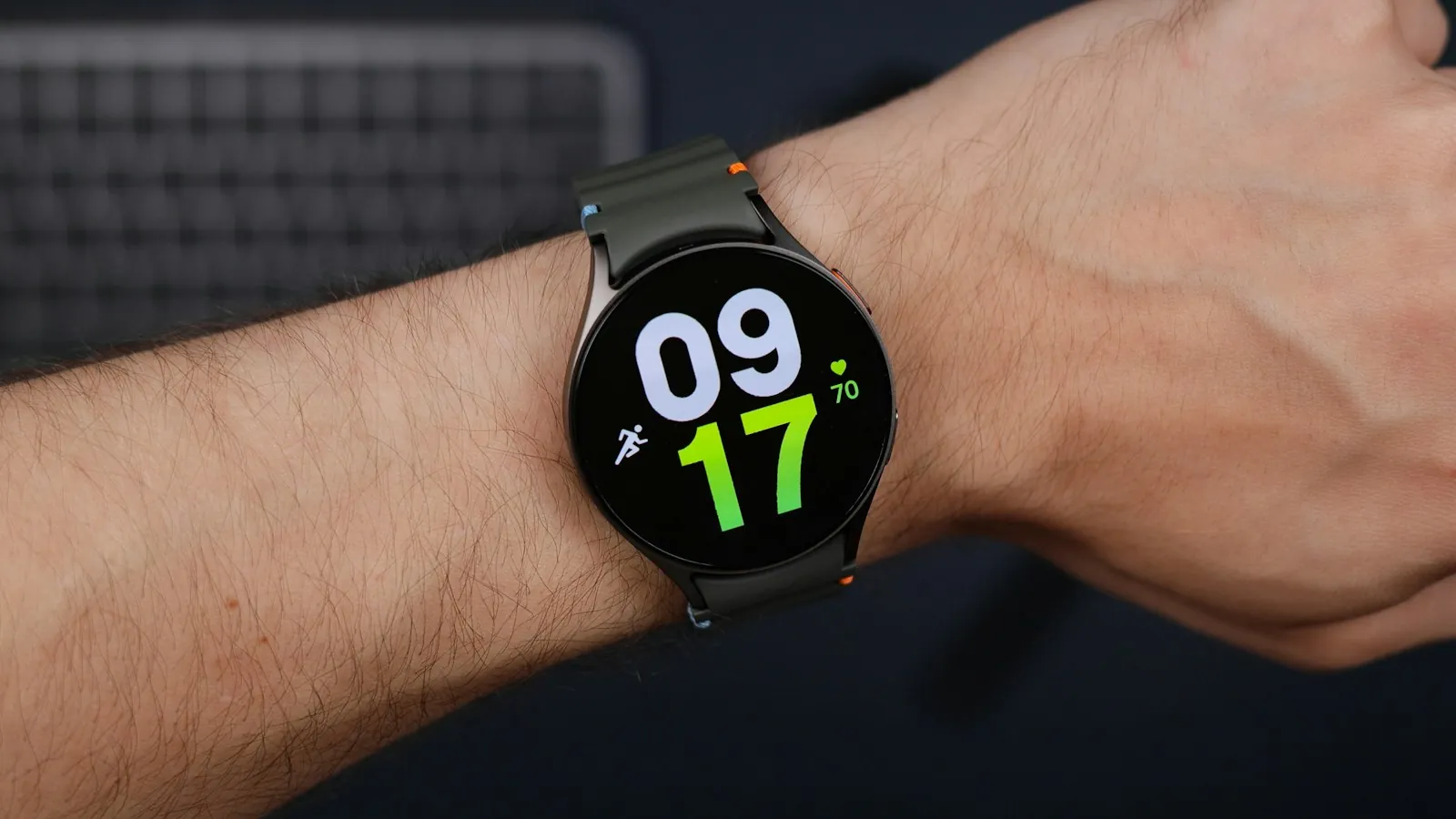
Yes, as a screening tool, but not as a diagnosis. In a 2026 Stanford study published in the Journal of Clinical Sleep Medicine, the Samsung Galaxy Watch 6 sleep apnea feature correctly flagged 94% of adults with moderate-to-severe obstructive sleep apnea. About one in three people without the condition were also flagged. A watch alert is a reason to get a sleep test, not a replacement for one.
Many people wear a device on their wrist that tracks steps, heart rate, and sleep. This week, the American Academy of Sleep Medicine (AASM) highlighted new research asking a more serious question: can a consumer smartwatch help identify people who may have moderate-to-severe obstructive sleep apnea (OSA)? The findings are encouraging, with important limits.
At Complete Health Sleep SoCal, we welcome any tool that helps more people get evaluated sooner. Sleep apnea remains widely undiagnosed, a theme explored throughout my book, Breathe Easy, Sleep Deep.
What did the new smartwatch sleep apnea study find?
The study, published in the Journal of Clinical Sleep Medicine, tested the sleep apnea feature of the Samsung Galaxy Watch 6 in adults aged 22 and older. Researchers at Stanford studied 147 adults with an average age of 54. Participants either had a prior diagnosis of moderate-to-severe sleep apnea or a high likelihood of having it.
Participants wore the watch for two nights at the Stanford Health Care Sleep Medicine Center and three nights at home, and researchers compared the watch's results with overnight sleep studies. At its default setting, the watch showed 94% sensitivity and 67% specificity.
What do 94% sensitivity and 67% specificity mean?
Sensitivity (94%): The watch correctly flagged the large majority of people who truly had moderate-to-severe sleep apnea. That makes it a useful first-pass screen.
Specificity (67%): About one in three people without the condition could still be flagged. A positive result is a reason to get tested, not a diagnosis.
Can a smartwatch diagnose sleep apnea?
No. The researchers were clear that wearable technology is not intended to diagnose sleep apnea. The participants were also people likely to have the condition, so results in the general public may differ. A diagnosis still requires a sleep test ordered by a clinician and interpreted by a physician.
Why does screening for sleep apnea matter?
Untreated sleep apnea is associated with a higher risk of stroke, heart attack, depression, and motor vehicle accidents. Because it often goes unrecognized, anything that prompts more people to ask the question has value. A smartwatch alert can be the nudge that leads someone to finally talk to a clinician.
What should happen after a smartwatch flags sleep apnea?
A wearable result is the first step. The pathway looks like this:
Screen: A watch alert or symptoms such as loud snoring, gasping or choking at night, and daytime sleepiness raise the question. Our free online sleep apnea screener is another easy place to start.
Confirm: A clinician arranges a sleep test, either in a lab or at home.
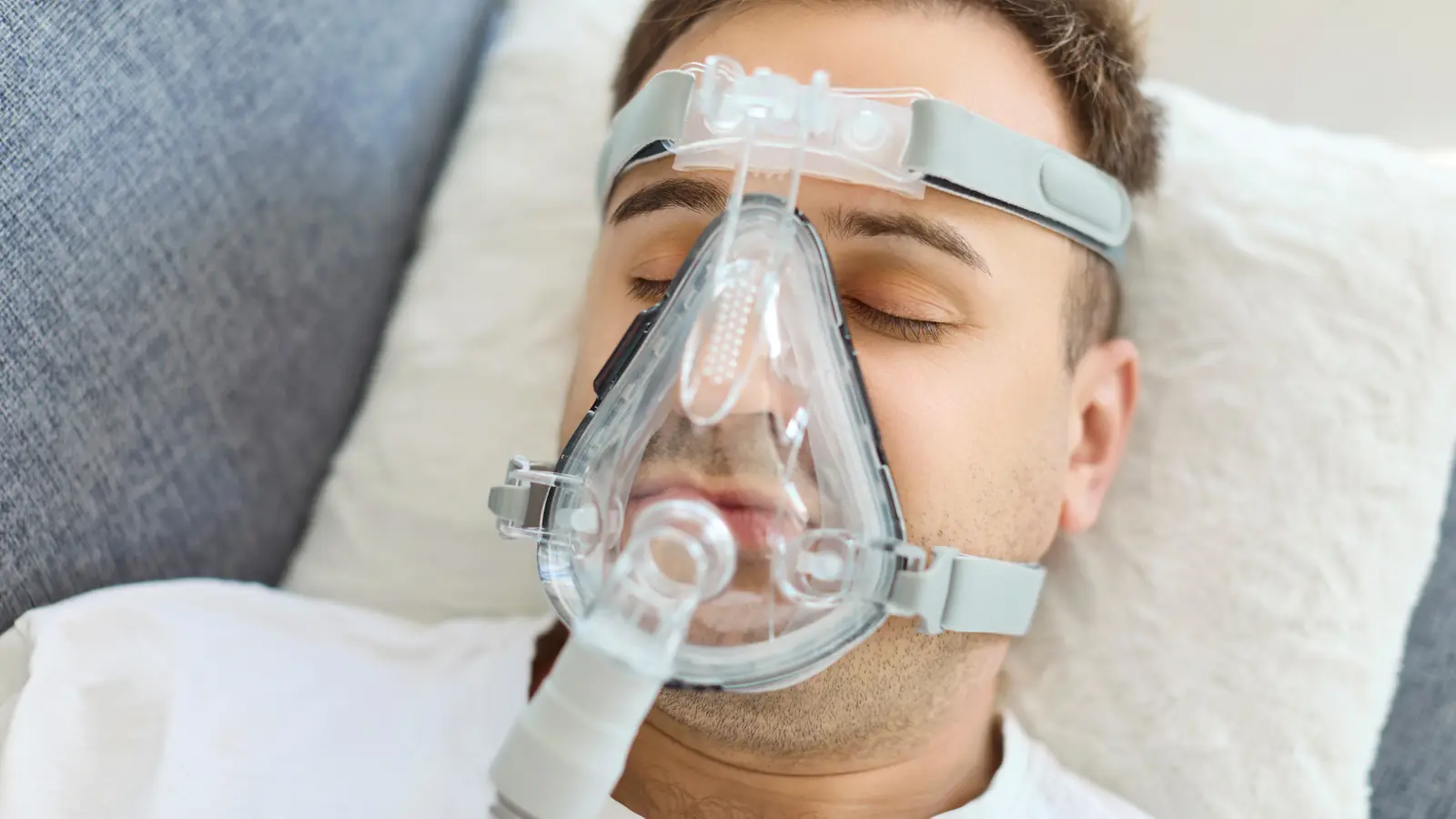
Treat: Options include CPAP, oral appliance therapy, and other approaches, matched to your diagnosis, anatomy, and preferences.
Follow up: Ongoing monitoring helps make sure treatment is working and that you are comfortable using it.
For many patients, a custom-fitted oral appliance is a comfortable and effective alternative to CPAP, and dentists trained in dental sleep medicine play a key role in that care. Your sleep physician and dental sleep provider can help determine what is right for you.
What can you do now?
If your watch flags possible sleep apnea, share the result with your doctor rather than ignoring it or diagnosing yourself.
If you are already diagnosed but struggling with CPAP, ask about alternatives.
Frequently asked questions
Can a smartwatch detect sleep apnea?
A smartwatch can screen for possible sleep apnea, but it cannot diagnose it. In a 2026 study published in the Journal of Clinical Sleep Medicine, the Samsung Galaxy Watch 6 sleep apnea feature correctly flagged 94% of adults with moderate-to-severe obstructive sleep apnea. A diagnosis still requires a sleep test ordered by a clinician.
How accurate is the Samsung Galaxy Watch sleep apnea feature?
At its default setting, the watch showed 94% sensitivity and 67% specificity compared with overnight sleep studies in 147 adults who had, or were likely to have, moderate-to-severe sleep apnea. It caught most true cases, but about one in three people without the condition were also flagged.
Does the Apple Watch detect sleep apnea?
Apple Watch offers sleep apnea notifications, which the FDA cleared in September 2024 for Series 9, Series 10 and Ultra 2. The feature looks for signs of disrupted breathing during sleep and alerts you to possible sleep apnea. Like other wearables, it is a screening alert, not a diagnosis.
What should I do if my watch says I might have sleep apnea?
Share the result with your doctor or a sleep specialist rather than ignoring it or diagnosing yourself. The next step is a sleep study, which can often be done at home. If you have symptoms such as loud snoring, gasping at night or daytime sleepiness, ask for an evaluation even without a watch alert.
Can a dentist help treat sleep apnea?
Yes. Dentists trained in dental sleep medicine work with your physician, who makes the diagnosis, and then fit and adjust a custom oral appliance that keeps the airway open during sleep. Dr. Rappaport is a Diplomate of the American Board of Dental Sleep Medicine and a Medicare-enrolled supplier for oral appliances.
Is an oral appliance an alternative to CPAP?
For many adults, yes. The American Academy of Sleep Medicine recommends oral appliance therapy for adults with mild to moderate obstructive sleep apnea, and for people with severe sleep apnea who cannot tolerate CPAP. CPAP remains the right treatment for many patients, so your sleep physician and dental sleep provider will help decide what fits you.
Your path forward
At Complete Health Sleep SoCal in Poway, we combine modern tools with personalized, hands-on care to help patients breathe easier and sleep deeper. If a smartwatch, a partner, or your own tiredness is telling you something, we can help you find out what is going on.
This article is for informational purposes only and does not constitute medical advice. Always consult with a qualified healthcare professional for any health concerns or before making any decisions related to your health or treatment.
The FDA is reviewing AD109, a nightly pill that could become the first drug treatment for obstructive sleep apnea. Here's what the research shows, why women after menopause may respond well, and what it means for CPAP and oral appliances.
A new study found a Samsung Galaxy Watch flagged 94% of adults with moderate-to-severe sleep apnea. Here's what that means, what it can't do, and what to do if your watch alerts you.