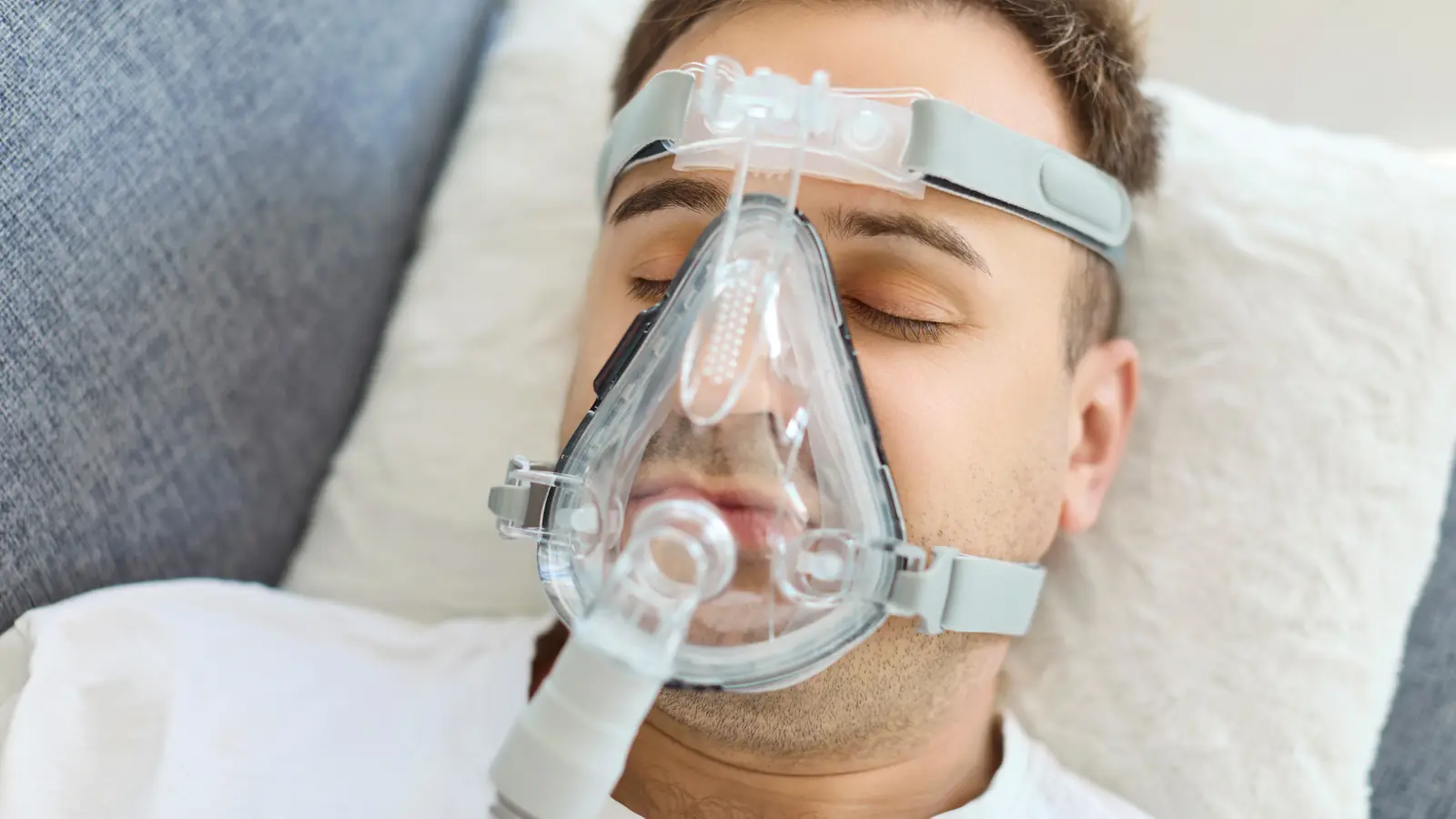
Most sleep apnea goes undiagnosed, and your dentist is often the first to spot the clues, such as worn teeth or a scalloped tongue. On the Financial Sense podcast, Dr. Rappaport explains these signs, why oral appliance therapy is a comfortable alternative to CPAP, and why nasal breathing is the foundation of good sleep.
At
Complete Health Sleep SoCal, we know that truly transformative health begins with quality sleep. We were thrilled to see
Dr. Erela Rappaport featured on the
Financial Sensepodcast. This conversation highlights the critical link between dental health, airway, and systemic well-being.
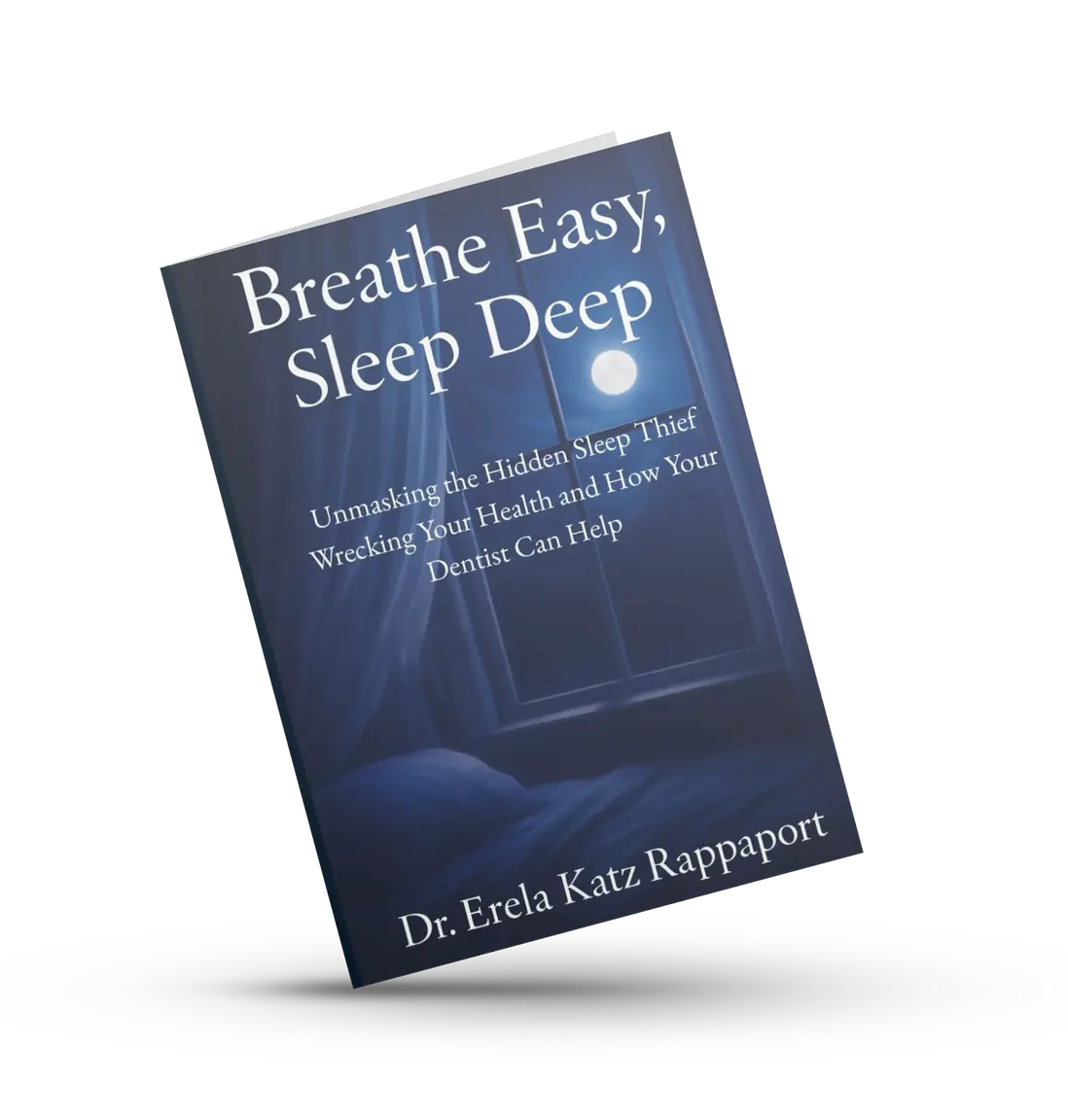
The insights from the podcast, coupled with the wisdom compiled in her new book,
Breathe Easy, Sleep Deep: Unmasking the Hidden Sleep Thief Wrecking Your Health and How Your Dentist Can Help, are a vital call to action for anyone experiencing chronic fatigue, restless nights, or "brain fog."
Here are the combined, essential takeaways from the podcast and her book, demonstrating why Dr. Rappaport is a visionary in sleep health and why her message is so crucial.
The Sleep Thief is a Silent Epidemic Your Dentist Knows the Clues
Dr. Rappaport's core message, amplified on the podcast, is startling: 80% of sleep apnea cases go undiagnosed. This massive "blind spot" in traditional healthcare means countless individuals are struggling with sleep-disordered breathing (SDB) that masquerades as simple fatigue, stress, or insomnia.
Your Dentist is the First Line of Defense: As a Diplomate of the American Board of Dental Sleep Medicine (D-ABDSM), Dr. Rappaport emphasizes that dentists are often the first to spot the telltale signs of SDB, such as:
Bruxism (Teeth Grinding): Flat, worn-down teeth.
Scalloped Tongue: Indentations suggesting an airway obstruction or large tongue.
Structural Clues: A narrow airway or a heavy-set palate.
Misdiagnosis in Women: She highlights that women, in particular, are often missed. They may present with non-classic symptoms like headaches, anxiety, chronic fatigue, and insomnia, rather than loud snoring, leading to frequent misdiagnosis.
A Comfortable, Effective Alternative to CPAP: Oral Appliance Therapy (OAT)
The podcast feature was clear: the traditional CPAP machine isn't the right—or most sustainable—solution for everyone. Many stop using it due to discomfort or claustrophobia.
OAT is a Practical Path to Restorative Sleep: Dr. Rappaport's clinic, Complete Health Sleep SoCal, specializes in Oral Appliance Therapy (OAT) as a comfortable, portable, and highly effective alternative for many patients.
How it Works: This custom-made dental device gently repositions the lower jaw and tongue, keeping the airway open during sleep. It eliminates the need for bulky masks, hoses, and straps, making it an ideal choice for travel and daily comfort.
The Power of Choices: The book and the clinic's philosophy are rooted in the belief that you deserve choices regarding your health, moving beyond a one-size-fits-all approach to sleep medicine.
Nasal Breathing is the Foundation for Health and Wellness
A key theme Dr. Rappaport explored was the fundamental importance of proper breathing. The podcast stressed that while mouth breathing is possible,
restorative sleep relies on proper nasal breathing.
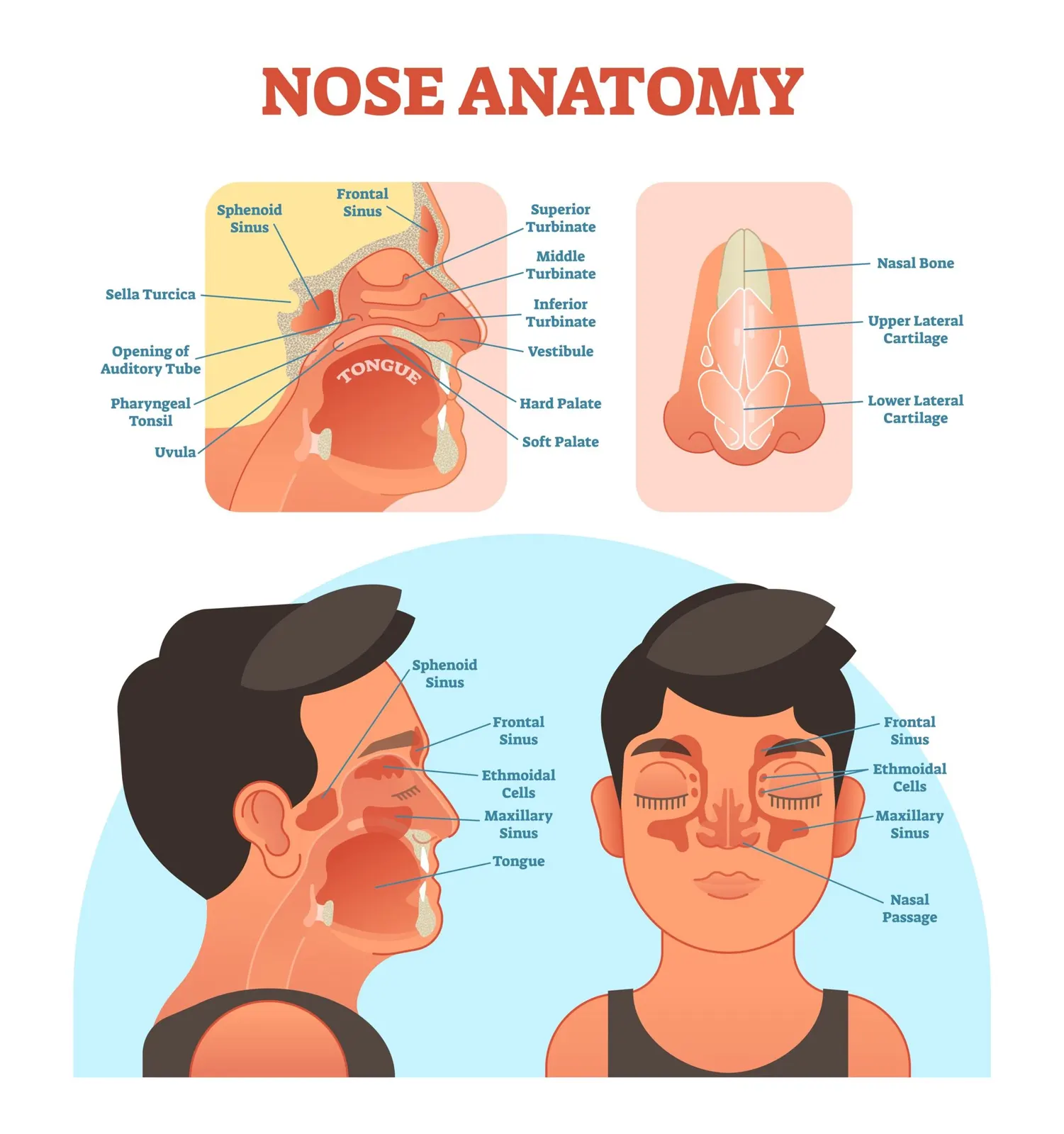
The Nose is an Essential Filter:
The nose is designed to warm, filter, and moisturize air, stimulating physiological processes necessary for your body to utilize oxygen correctly.
Myofunctional Therapy:
For those struggling to maintain proper nasal breathing, treatments like Myofunctional Therapy can retrain the tongue and facial muscles, promoting correct breathing habits that support a patent airway.
Her Book is Your Empowerment Guide to Action
Dr. Rappaport’s book is an accessible resource that extends her patient-centerd philosophy to a broader audience. Its core aim is to bridge the knowledge gap and turn readers into informed advocates for their sleep health.
The book empowers you to:
Recognize the often-missed signs of sleep-disordered breathing in yourself or loved ones.
Understand the critical connection between your oral health and systemic well-being.
Explore non-CPAP treatment options, like OAT and Myofunctional Therapy, as viable pathways to restorative sleep.
If you are experiencing chronic fatigue, restless nights, or other unexplained health issues, Dr. Rappaport's work offers hope and practical solutions. We encourage you to
pick up her book
and then
request an appointment at Complete Health Sleep SoCal
for a personalized consultation and tailored treatment.
Don't let another night of poor sleep diminish your vitality. Take the first step toward transforming your health today!
Frequently asked questions
Where can I listen to Dr. Rappaport on the Financial Sense podcast?
The episode is on the Financial Sense website, linked in this article. It covers hidden sleep apnea, the dentist’s role in spotting it, and oral appliance therapy.
What signs of sleep apnea can a dentist see?
Common clues include flat, worn-down teeth from grinding, a scalloped tongue, and a narrow airway or high, narrow palate.
Why is sleep apnea often missed in women?
Women often have less classic symptoms, such as headaches, anxiety, chronic fatigue and insomnia, rather than loud snoring, so their sleep apnea is more often misdiagnosed.
Where can I get the book Breathe Easy, Sleep Deep?
It is available on Amazon in print and Kindle and as an audiobook on Audible. See our <a href="/breathe-easy-sleep-deep">book page</a>.
Get help in the San Diego area
Dr. Erela Katz Rappaport, DMD, D-ABDSM, treats snoring and obstructive sleep apnea with custom oral appliances at Complete Health Sleep SoCal in Poway. Not sure where to start? Take our free sleep apnea quiz.
This article is for informational purposes only and does not constitute medical advice. Always consult a qualified healthcare professional about your health.
The FDA is reviewing AD109, a nightly pill that could become the first drug treatment for obstructive sleep apnea. Here's what the research shows, why women after menopause may respond well, and what it means for CPAP and oral appliances.
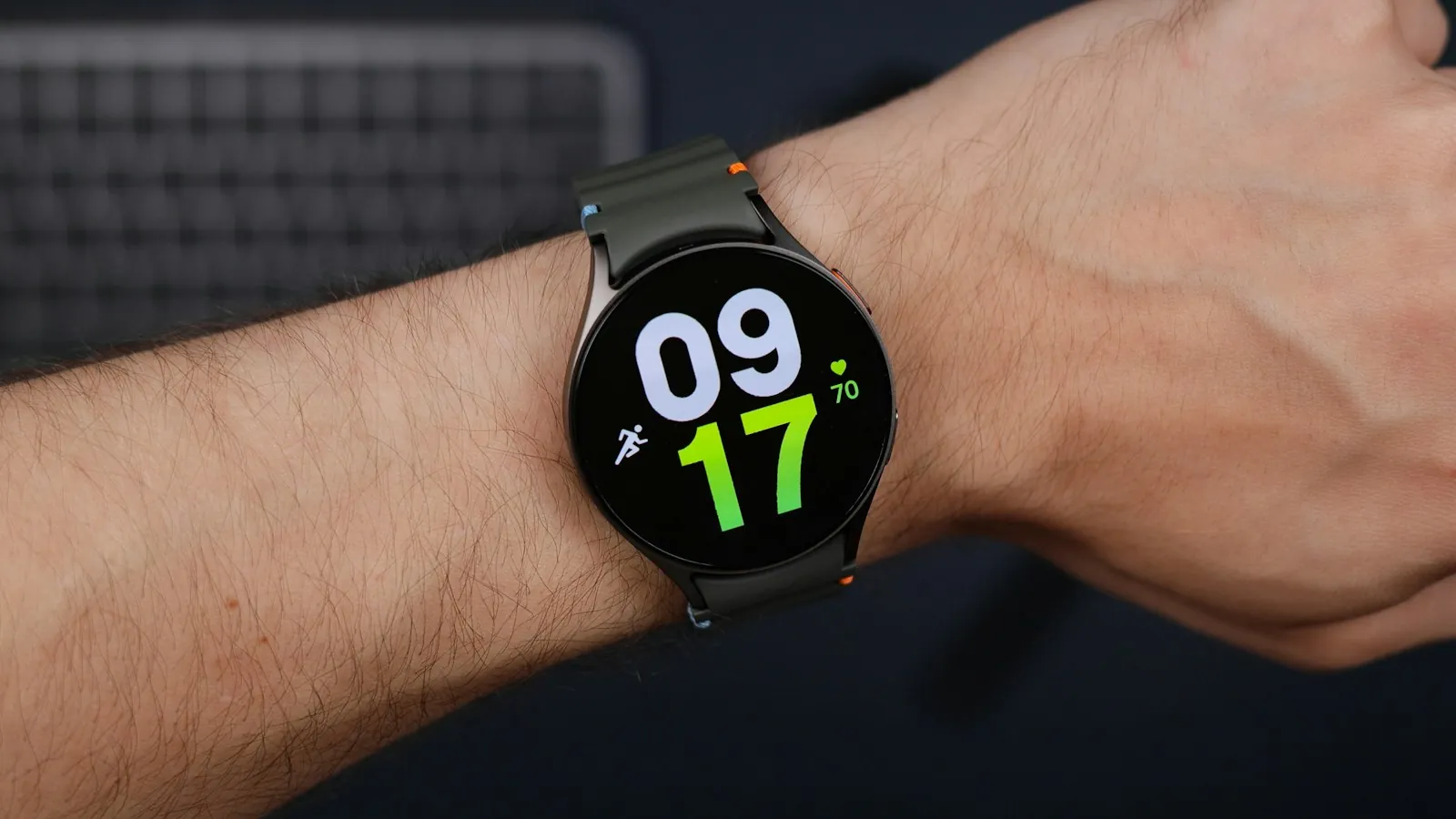
A new study found a Samsung Galaxy Watch flagged 94% of adults with moderate-to-severe sleep apnea. Here's what that means, what it can't do, and what to do if your watch alerts you.