Yes, genetics play a real role. Inherited traits such as a small jaw, a narrow airway or a recessed chin, along with family patterns in weight and breathing control, raise the risk of obstructive sleep apnea. If sleep apnea runs in your family, early screening matters.
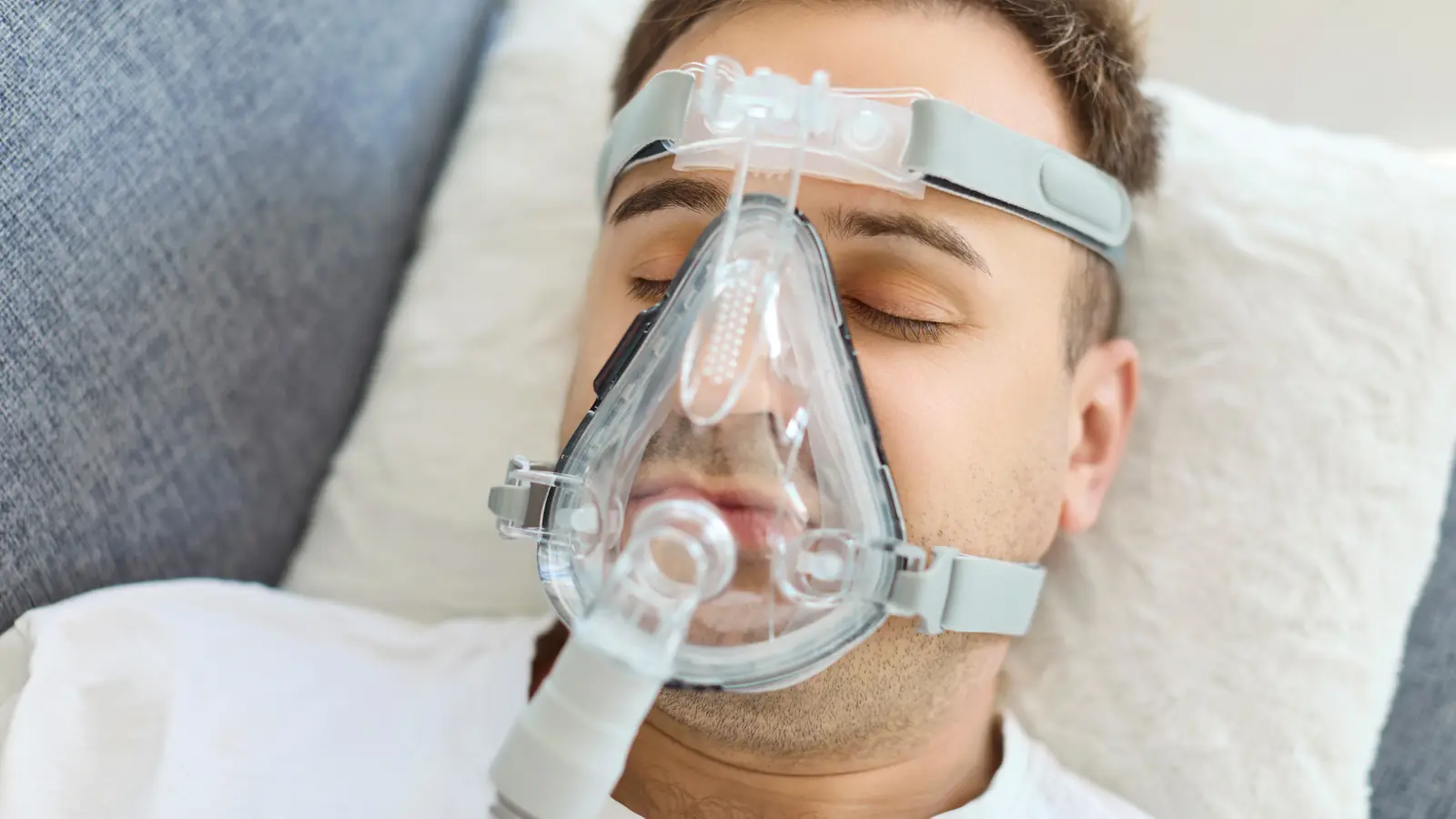
Obstructive Sleep Apnea (OSA) is a common yet potentially serious sleep disorder characterized by repeated interruptions in breathing during sleep. While lifestyle factors like weight, smoking, and alcohol consumption contribute to OSA, genetics also play a significant role. Understanding hereditary factors and exploring advanced dental treatments for managing OSA can empower individuals to take proactive steps toward better health.
At
Complete Health Sleep SoCal, led by
Dr. Erela Katz Rappaport, the focus is on providing comprehensive care for OSA through innovative dental solutions, including oral appliance therapy. Conveniently located in Poway, CA, the clinic collaborates with sleep specialists to create personalized treatment plans that address both the symptoms and underlying causes of sleep apnea.
The Genetic Link to Obstructive Sleep Apnea
OSA has a strong hereditary component, with research indicating that genetics influence several factors contributing to the condition, such as:
Craniofacial Structure: Inherited traits like a small jaw, narrow airway, or recessed chin can increase the risk of airway obstruction during sleep.
Body Fat Distribution: Genetic predisposition to obesity, particularly around the neck and upper airway, is a significant risk factor.
Respiratory Control Stability: Genetic variations affecting how the brain regulates breathing during sleep can also play a role.
Studies suggest that individuals with a family history of OSA are at higher risk, making early detection and intervention crucial.
Symptoms and Risks of Untreated OSA
Common symptoms of OSA include:
Loud snoring
Gasping or choking during sleep
Daytime fatigue and irritability
Difficulty concentrating and memory loss
If left untreated, OSA can lead to severe health complications, such as high blood pressure, heart disease, stroke, and increased risk of workplace or vehicle accidents due to chronic fatigue.
The Role of Dentistry in OSA Management
At
Complete Health Sleep SoCal, Dr. Rappaport and her team specialize in managing OSA through
oral appliance therapy. These custom-made devices are a comfortable and effective alternative to CPAP therapy, which many patients find difficult to use consistently.
Benefits of Oral Appliance Therapy:
Custom Fit: Designed based on impressions of your mouth for maximum comfort.
High Compliance: Easy to wear, care for, and transport, increasing the likelihood of consistent use.
Non-Invasive: Repositions the jaw to keep the airway open without the need for surgery.
By working closely with sleep specialists, the team ensures that each patient receives the most suitable device from over 100 FDA-approved options.
Seeking Treatment in Poway, CA
Dr. Rappaport and her team are committed to providing exceptional care tailored to the unique needs of each patient. From initial consultation to follow-up care, Complete Health Sleep SoCal offers comprehensive solutions to improve sleep quality and overall health.
Steps to Get Started:
Schedule a consultation at
Complete Health Sleep SoCal by calling
(858) 956-7928.
Obtain a sleep apnea diagnosis from a sleep specialist.
Receive a personalized oral appliance designed to meet your specific needs.
Don’t wait to address OSA—effective treatment is essential to protect against its long-term health effects.
Final Thoughts
Understanding the hereditary factors of OSA underscores the importance of early detection and treatment. Whether you have a family history of sleep apnea or are experiencing symptoms, seeking professional help can significantly improve your quality of life. At Complete Health Sleep SoCal, advanced dental treatments like oral appliance therapy provide a practical and effective solution for managing OSA.
Yes, genetics can predispose individuals to structural or physiological traits that increase the risk of OSA.
Is CPAP therapy the only treatment for OSA?
No, oral appliance therapy is a highly effective and more comfortable alternative for many patients.
How do I know if I have OSA?
Common symptoms include loud snoring, gasping during sleep, and daytime fatigue. A sleep study can confirm the diagnosis.
How effective are oral appliances for OSA?
When used consistently, oral appliances are highly effective in managing mild to moderate OSA and improving sleep quality.
How do I get started with treatment?
Call Complete Health Sleep SoCal at (858) 956-7928 or request an appointment online. Our office is at 15706 Pomerado Road, Suite 205, Poway, CA 92064.
Get help in the San Diego area
Dr. Erela Katz Rappaport, DMD, D-ABDSM, treats snoring and obstructive sleep apnea with custom oral appliances at Complete Health Sleep SoCal in Poway. Not sure where to start? Take our free sleep apnea quiz.
This article is for informational purposes only and does not constitute medical advice. Always consult a qualified healthcare professional about your health.
The FDA is reviewing AD109, a nightly pill that could become the first drug treatment for obstructive sleep apnea. Here's what the research shows, why women after menopause may respond well, and what it means for CPAP and oral appliances.
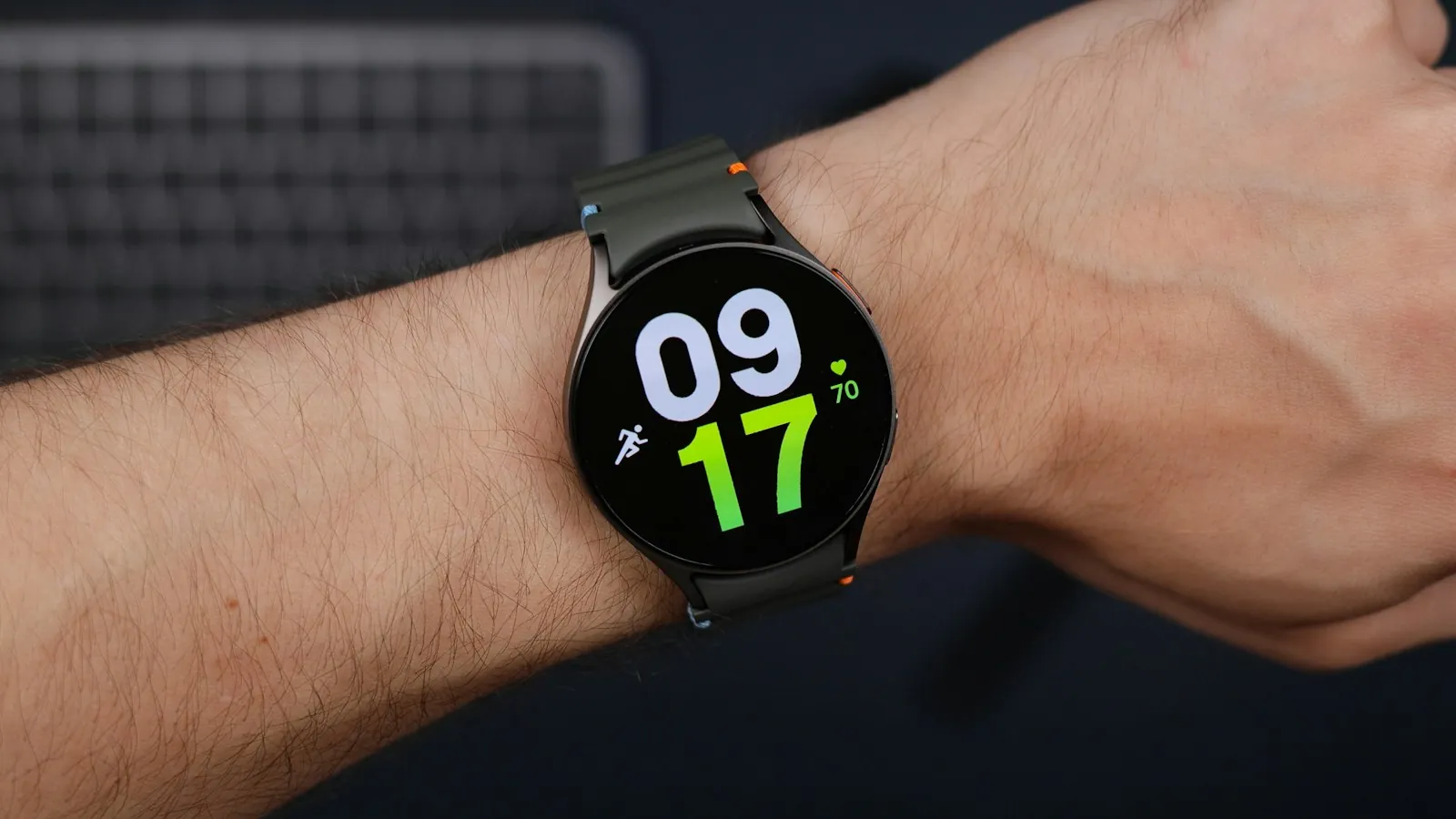
A new study found a Samsung Galaxy Watch flagged 94% of adults with moderate-to-severe sleep apnea. Here's what that means, what it can't do, and what to do if your watch alerts you.