Football players, especially linemen who gain weight to compete, are at higher risk of obstructive sleep apnea, often after they retire. Extra tissue around the neck can block the airway at night, raising the risk of heart disease, high blood pressure, stroke, diabetes and cognitive decline.
As the NFL playoffs heat up and fans eagerly anticipate the Super Bowl, it’s easy to focus on
the excitement of the game. But behind the highlights and touchdowns, there’s an important health issue that deserves attention:
sleep apnea in football players, especially retired athletes.
The Link Between Football and Sleep Apnea
Football players often gain significant weight to compete at an elite level, particularly in positions like offensive and defensive linemen. A recent study from the Football Players Health Study at Harvard sheds light on the long-term health effects of this weight gain. While bulking up may help players dominate on the field, it can contribute to serious health problems post-retirement, including
obstructive sleep apnea(OSA).
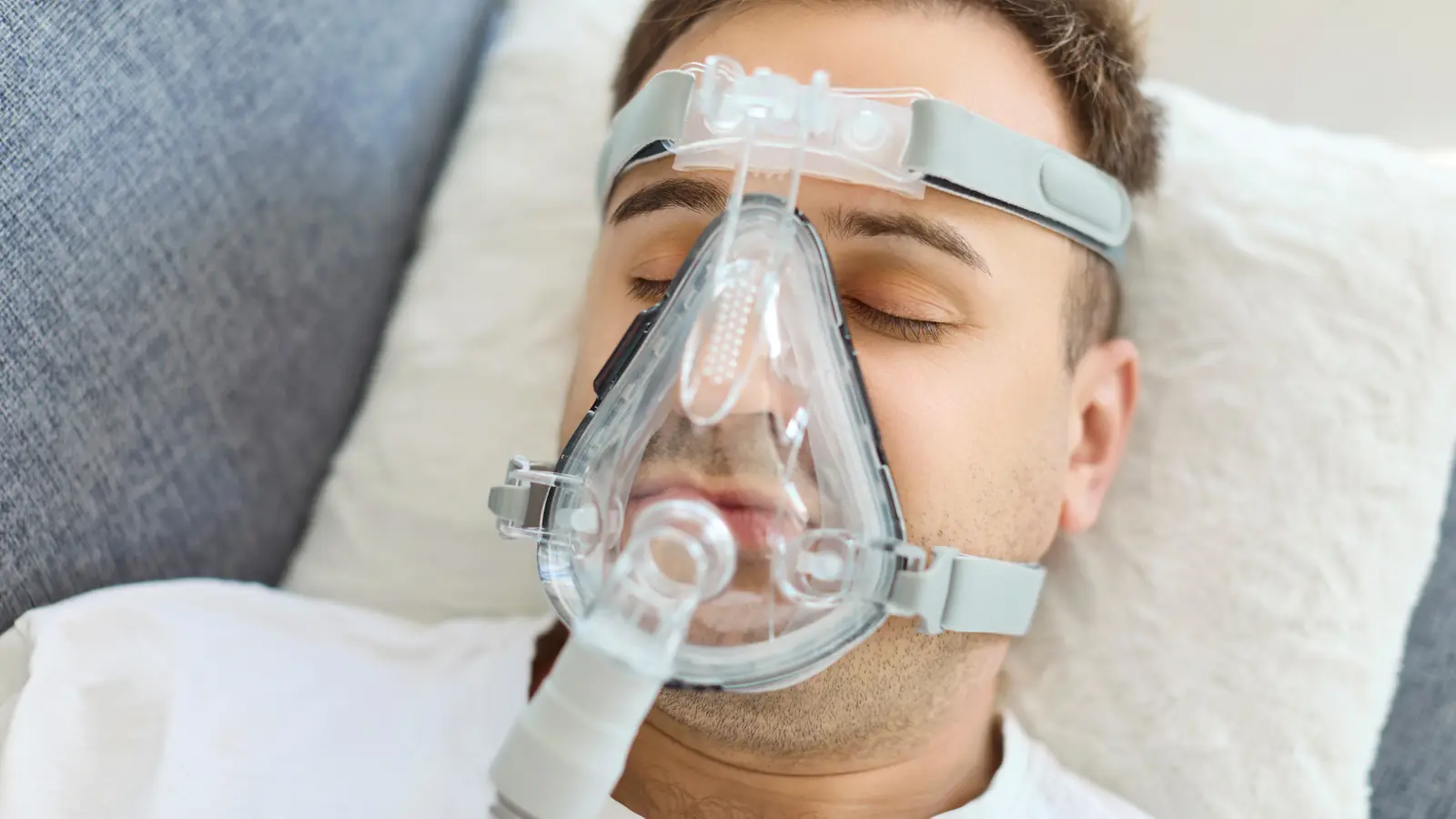
OSA occurs when the airway becomes partially or completely blocked during sleep, often due to excess tissue around the neck and throat. This leads to interrupted breathing, fragmented sleep, and reduced oxygen levels. Over time, untreated sleep apnea increases the risk of:
For current and former athletes, sleep apnea doesn’t just impact overall health—it affects performance, recovery, and quality of life. Poor sleep can impair cognitive function, reaction times, and decision-making, which are critical for athletes and anyone striving to stay at the top of their game.
But this issue isn’t limited to football players. Many fans share similar risk factors, such as weight gain, age, or a family history of sleep apnea. With millions of people tuning in for the NFL playoffs and Super Bowl, it’s a great opportunity to raise awareness about this common but treatable condition.
Effective Solutions for Sleep Apnea
The good news is that sleep apnea can be effectively managed. At our practice, we specialize in diagnosing and treating OSA with:
●
At-home sleep tests: A convenient and comfortable way to screen for sleep apnea.
●
Custom oral appliances: These devices help keep the airway open during sleep and are an excellent alternative for patients who struggle with CPAP machines.
Our goal is to make treatment accessible, personalized, and effective for every patient.
Rest Well, Play Hard
Whether you’re a former athlete, a weekend warrior, or a passionate fan cheering on your team, quality sleep is essential. As we celebrate the grit and determination of football players heading into the playoffs, let’s also prioritize the health and well-being of everyone involved in the game—on and off the field.
If you suspect you or a loved one might have sleep apnea, don’t wait. Contact us today to schedule an evaluation and take the first step toward better sleep and better health.
Ready to tackle sleep apnea? Learn more about our sleep services and how we can help you breathe easier and sleep better.
Frequently asked questions
Why do football players get sleep apnea?
Many players, especially linemen, gain significant weight and neck size to compete. Extra tissue around the neck and throat can block the airway during sleep.
Does sleep apnea affect athletic performance?
Yes. Poor sleep slows reaction time, decision-making and recovery, all critical for athletes.
Are retired players at risk?
Research from the Football Players Health Study at Harvard links playing-era weight gain to health problems after retirement, including obstructive sleep apnea.
How is sleep apnea treated in athletes?
The same way as anyone else: CPAP, custom oral appliance therapy and lifestyle changes. An oral appliance is portable, which helps on the road.
Get help in the San Diego area
Dr. Erela Katz Rappaport, DMD, D-ABDSM, treats snoring and obstructive sleep apnea with custom oral appliances at Complete Health Sleep SoCal in Poway. Not sure where to start? Take our free sleep apnea quiz.
This article is for informational purposes only and does not constitute medical advice. Always consult a qualified healthcare professional about your health.
The FDA is reviewing AD109, a nightly pill that could become the first drug treatment for obstructive sleep apnea. Here's what the research shows, why women after menopause may respond well, and what it means for CPAP and oral appliances.
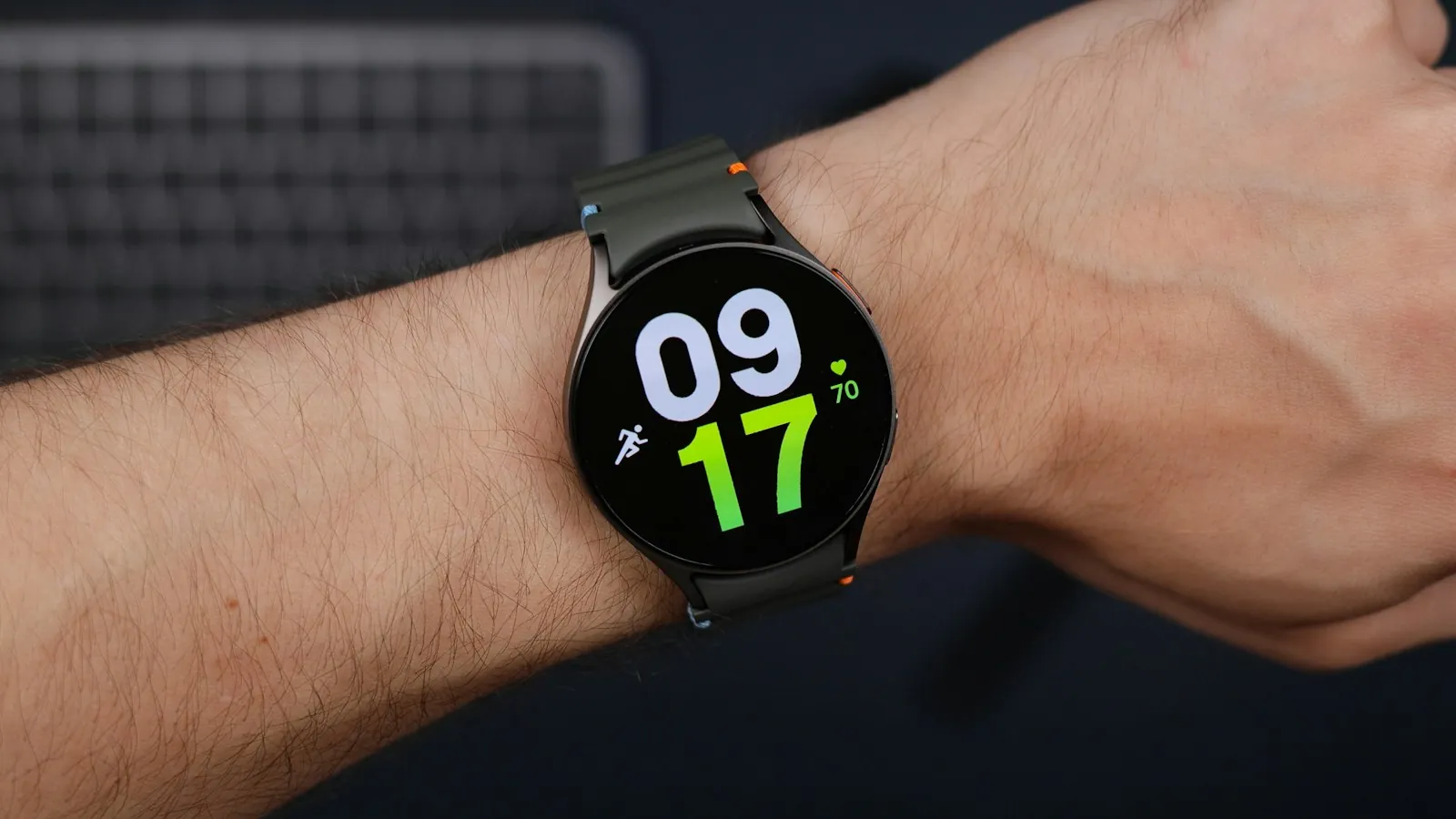
A new study found a Samsung Galaxy Watch flagged 94% of adults with moderate-to-severe sleep apnea. Here's what that means, what it can't do, and what to do if your watch alerts you.