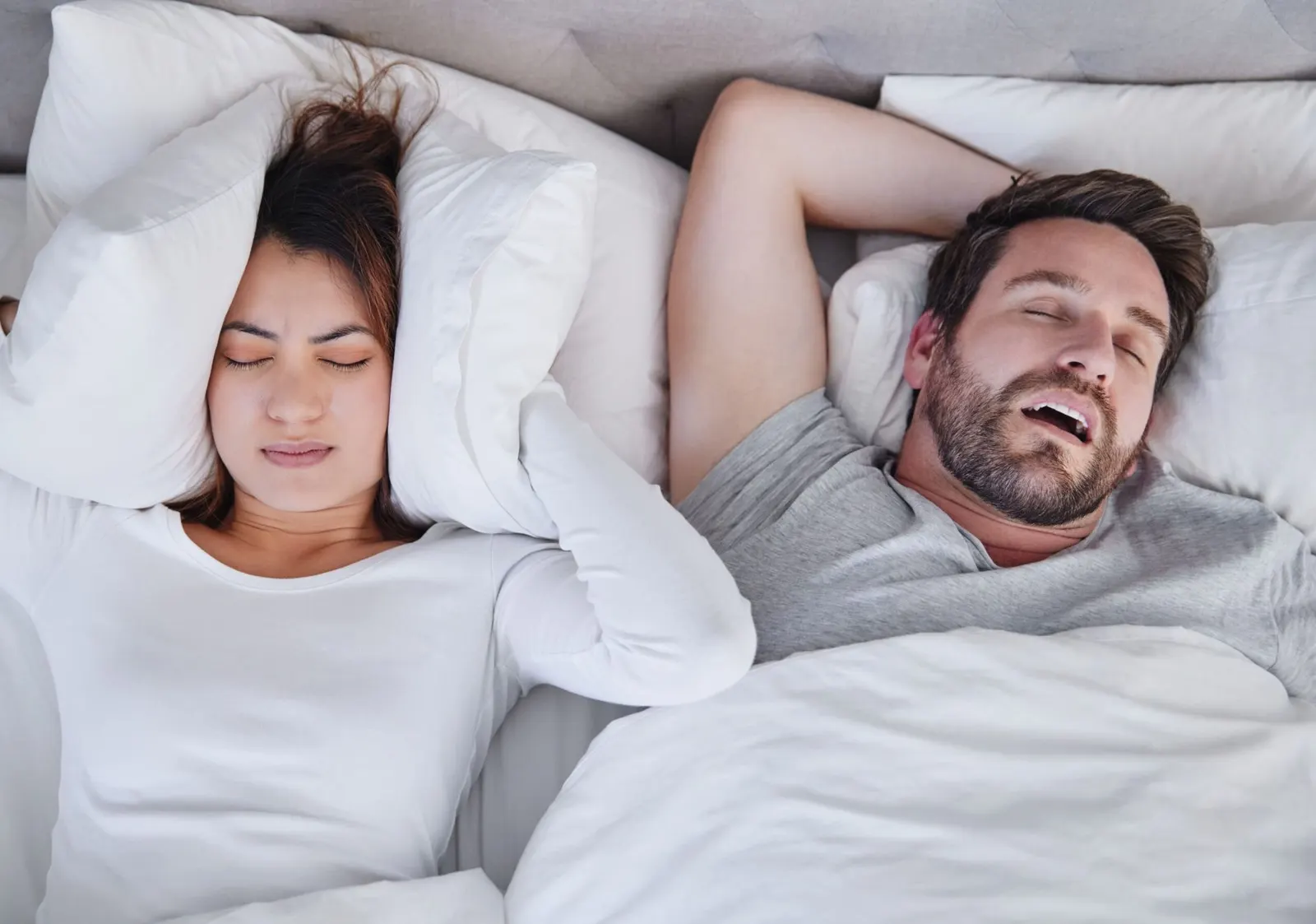
Snoring is the sound of air vibrating past relaxed tissue in the throat. Sleep apnea is when breathing actually stops or becomes very shallow, again and again. Loud snoring with gasping, choking or daytime sleepiness is a sign to get tested.
Snoring can be a nuisance, but it’s often harmless. However, for some people, snoring may be a sign of a more serious condition: obstructive sleep apnea (OSA). While snoring and sleep apnea are related, they are not the same, and understanding the difference is crucial for your health.
In this blog post, we’ll explore the key differences between snoring and sleep apnea, the health risks of untreated OSA, and when it’s time to seek help.
What Causes Snoring?
Snoring happens when airflow through the mouth or nose is partially obstructed, causing the tissues in your throat to vibrate. Common causes include:
Nasal congestion or allergies
Sleeping on your back
Alcohol consumption before bed
Obesity, which can narrow the airway
For most people, snoring is a harmless (though sometimes disruptive) condition. But if snoring is loud, persistent, and accompanied by other symptoms, it could indicate sleep apnea.
What Is Sleep Apnea?
Obstructive sleep apnea is a sleep disorder in which the airway becomes blocked during sleep, stopping breathing for brief periods. Unlike simple snoring, OSA has serious health implications and requires treatment.
Signs of Sleep Apnea
Loud snoring, often punctuated by gasps or choking sounds
Excessive daytime fatigue
Difficulty concentrating or memory problems
Morning headaches or dry mouth
Restless sleep or frequent awakenings
Key Differences Between Snoring and Sleep Apnea
Snoring vs Sleep Apnea
Feature
Snoring
Sleep Apnea
Breathing Stops?
No
Yes, multiple times per night
Associated Symptoms
Noise disruption only
Fatigue, headaches, memory issues
Health Risks
Minimal
High (heart disease, stroke, etc.)
Treatment Needed?
Sometimes (e.g., lifestyle changes)
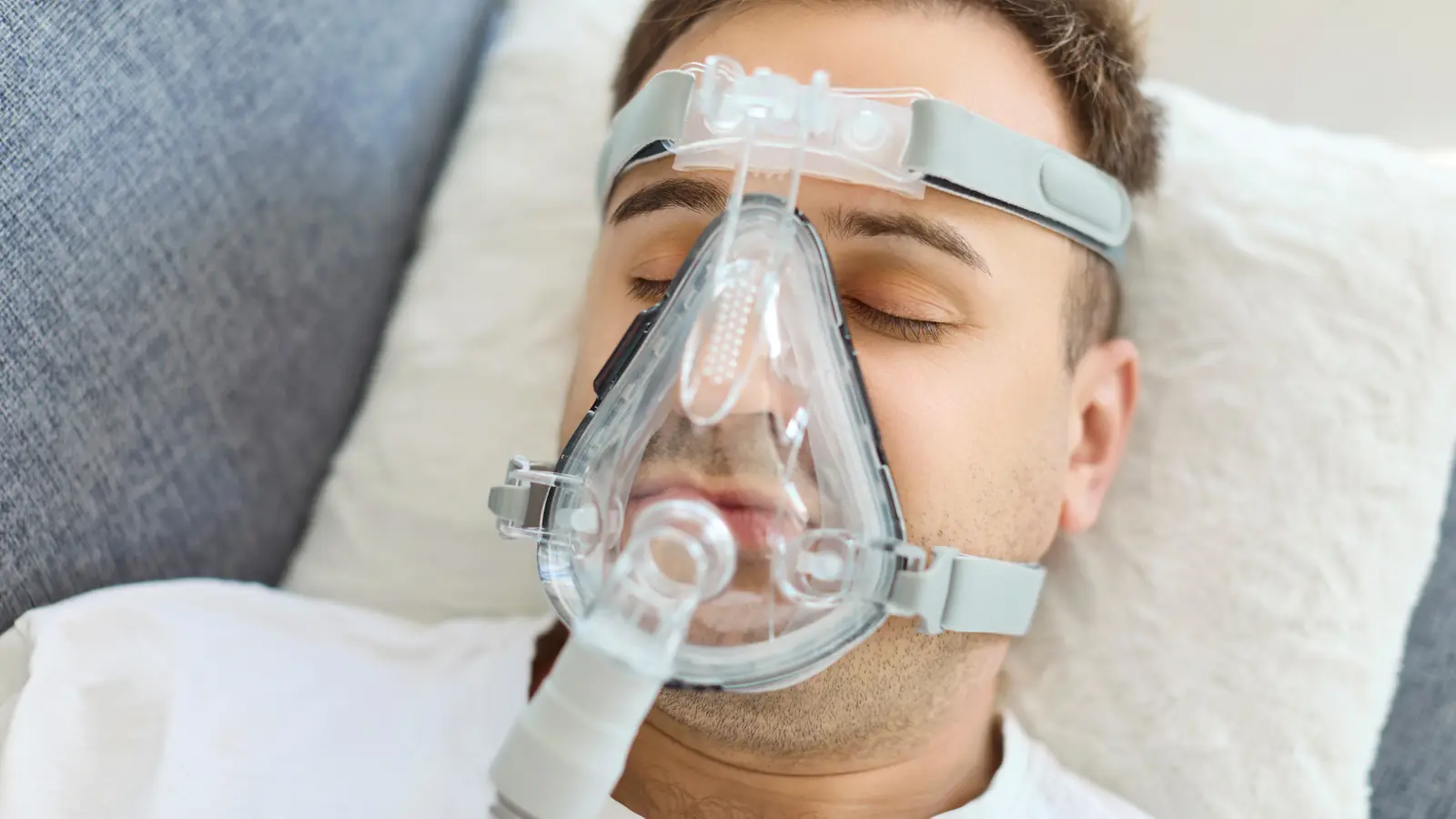
Yes (e.g., CPAP, oral appliance)
Why It’s Important to Address Sleep Apnea
While snoring may not affect your health, untreated OSA can lead to serious complications, including:
Heart Disease: OSA increases the risk of high blood pressure, heart attack, and arrhythmias.
Stroke: Interrupted oxygen flow can contribute to the risk of stroke.
Chronic Fatigue: Poor sleep quality impacts your energy, mood, and productivity.
When to Seek Help
It’s time to consult a healthcare provider if you experience:
Loud snoring that affects your or your partner’s sleep
Gasping, choking, or pauses in breathing during sleep
Daytime fatigue, even after a full night’s rest
Trouble concentrating or mood changes
How Your Dentist Can Help
Dentists trained in dental sleep medicine are uniquely positioned to identify and treat sleep apnea. They can evaluate your airway and provide solutions like oral appliance therapy, a comfortable and effective alternative to CPAP machines for many patients.
Final Thoughts
Snoring may seem like a minor annoyance, but it can signal a more serious condition like sleep apnea. Early diagnosis and treatment are essential for improving your sleep, protecting your health, and enhancing your quality of life.
If you’re concerned about snoring or suspect you have sleep apnea, schedule a consultation with our office today. We offer at-home sleep testing and customized
treatment options to help you breathe and sleep better.
No. Many people snore without sleep apnea. But loud, frequent snoring with gasping, choking or daytime sleepiness can be a sign of obstructive sleep apnea.
What are warning signs of sleep apnea?
Pauses in breathing noticed by a partner, gasping or choking at night, morning headaches, daytime sleepiness and trouble concentrating.
When should I get help for snoring?
If your snoring is loud and frequent, disturbs your partner, or comes with any sleep apnea warning signs, talk to a sleep professional. Our <a href="/sleep-screener">free quiz</a> is a good first step.
Can a dentist treat snoring and sleep apnea?
Yes. Dentists trained in dental sleep medicine make custom oral appliances that treat snoring and obstructive sleep apnea, working with your physician on the diagnosis.
Get help in the San Diego area
Dr. Erela Katz Rappaport, DMD, D-ABDSM, treats snoring and obstructive sleep apnea with custom oral appliances at Complete Health Sleep SoCal in Poway. Not sure where to start? Take our free sleep apnea quiz.
This article is for informational purposes only and does not constitute medical advice. Always consult a qualified healthcare professional about your health.
The FDA is reviewing AD109, a nightly pill that could become the first drug treatment for obstructive sleep apnea. Here's what the research shows, why women after menopause may respond well, and what it means for CPAP and oral appliances.
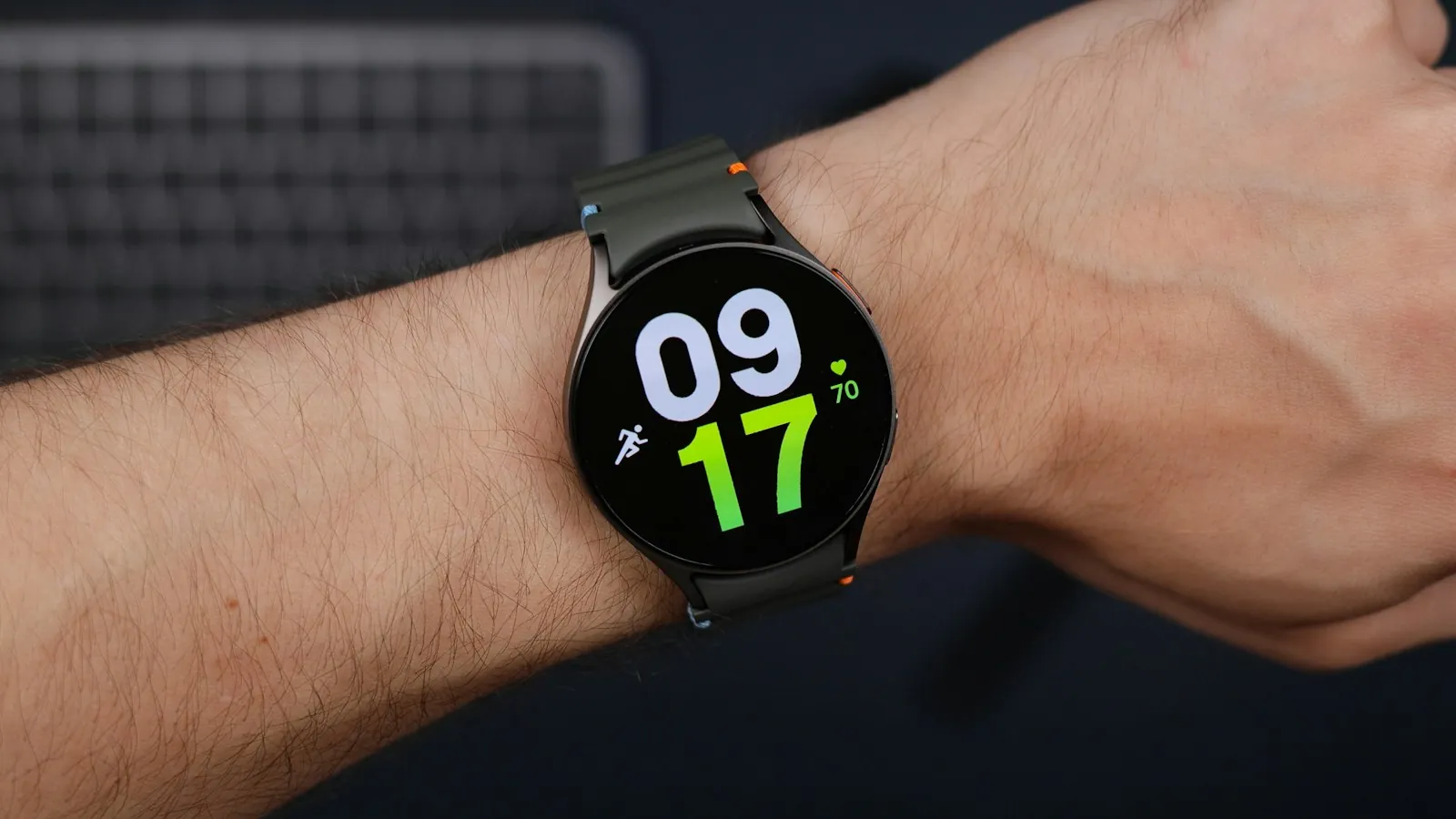
A new study found a Samsung Galaxy Watch flagged 94% of adults with moderate-to-severe sleep apnea. Here's what that means, what it can't do, and what to do if your watch alerts you.