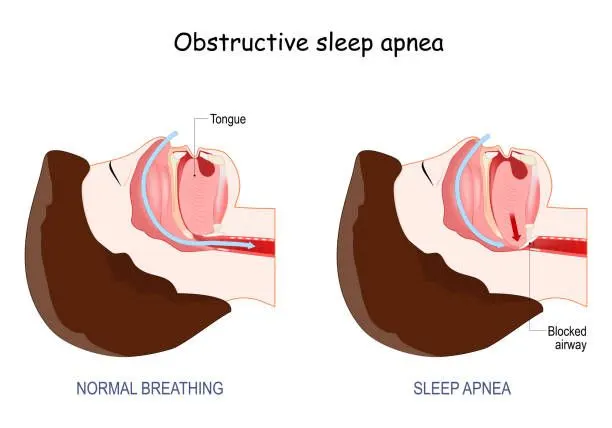
Obstructive sleep apnea (OSA) happens when throat muscles relax too much during sleep and block the airway, causing repeated pauses in breathing. It matters because untreated OSA strains the heart, harms memory and mood, and is linked to diabetes. It is also very treatable.
Obstructive Sleep Apnea (OSA) is a common yet serious sleep disorder that affects millions of people. It occurs when the airway becomes partially or completely blocked during sleep, causing repeated interruptions in breathing. While snoring may be one of the more obvious signs, the effects of OSA extend far beyond disrupting your sleep—and they can significantly impact your overall health.
In this blog post, we’ll explain what OSA is, why it matters, and how you can take steps to protect your health.
What is Obstructive Sleep Apnea?
Obstructive Sleep Apnea happens when the muscles in the throat relax too much during sleep, narrowing or closing the airway. This results in brief pauses in breathing, often followed by gasping or choking.
These interruptions can happen dozens—or even hundreds—of times a night, disrupting your sleep cycles and lowering oxygen levels in your blood.
Key Symptoms of OSA:
Loud, persistent snoring
Gasping, choking, or pauses in breathing during sleep
Excessive daytime fatigue
Difficulty concentrating or memory problems
Irritability or mood swings
Morning headaches or dry mouth
Why Should You Care About OSA?
OSA is more than just a nuisance—it’s a serious health condition with far-reaching consequences.
1. Heart Health Risks
Untreated OSA increases the risk of high blood pressure, heart disease, and stroke. The repeated drops in oxygen levels put significant strain on your cardiovascular system.
2. Cognitive Decline
OSA disrupts restorative sleep, which is crucial for memory and brain function. Over time, this can lead to memory problems and even dementia.
3. Diabetes and Metabolic Issues
Sleep apnea is closely linked to insulin resistance and Type 2 diabetes, as poor sleep impacts how your body processes glucose.
4. Mood and Mental Health
Chronic fatigue caused by OSA can contribute to depression, anxiety, and irritability, significantly affecting your quality of life.
How is OSA Treated?
The good news is that OSA is highly treatable. Options include:
1. CPAP (Continuous Positive Airway Pressure)
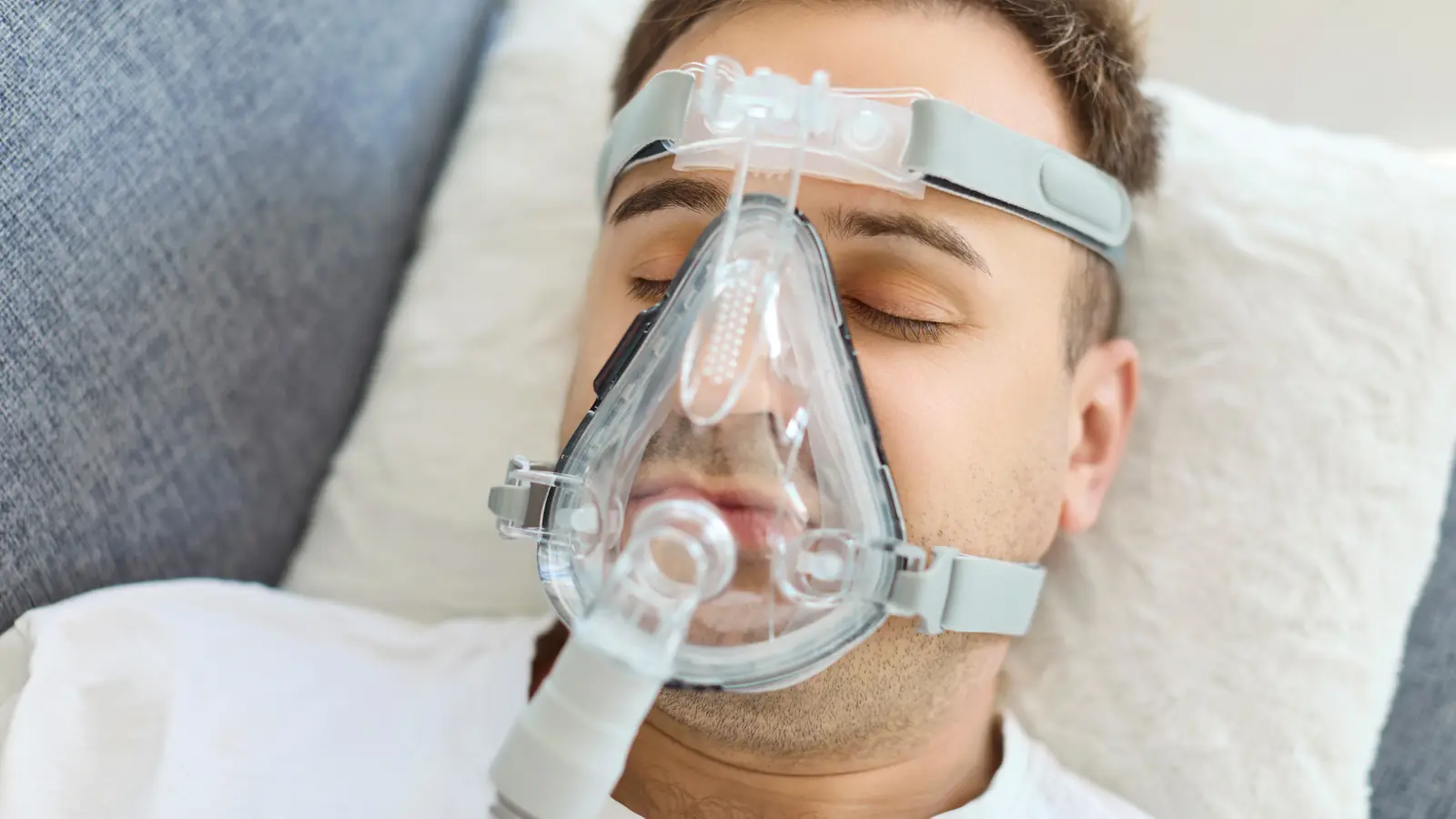
The most common treatment, CPAP, involves wearing a mask that delivers a constant stream of air to keep your airway open.
2. Oral Appliance Therapy
For mild to moderate cases, a custom-fit oral appliance from your dentist can reposition your jaw and tongue to prevent airway blockages.
3. Lifestyle Changes
Weight loss can reduce airway obstruction.
Avoiding alcohol and sedatives before bed may help keep your airway open.
When to Seek Help
If you experience loud snoring, daytime fatigue, or other symptoms of OSA, it’s time to get evaluated. Early diagnosis and treatment can significantly improve your quality of life and protect you from serious health complications.
Take the First Step Toward Better Sleep
Obstructive Sleep Apnea is a condition you can’t afford to ignore. If you suspect you have OSA, contact our office today. We offer at-home sleep testing and customized treatment options, including oral appliance therapy, to help you achieve restful, healthy sleep.
A sleep disorder in which the airway repeatedly narrows or closes during sleep, causing pauses in breathing, often followed by gasping or choking.
What are the symptoms of OSA?
Loud snoring, pauses in breathing, daytime fatigue, trouble concentrating, irritability, and morning headaches or dry mouth.
Why is OSA dangerous?
Repeated drops in oxygen strain the heart and raise the risk of high blood pressure, heart disease and stroke. OSA is also linked to diabetes, depression and memory problems.
How is OSA treated?
Common options are CPAP and custom oral appliance therapy, along with lifestyle changes. Learn about <a href="/cpap-alternatives">CPAP alternatives</a>.
Get help in the San Diego area
Dr. Erela Katz Rappaport, DMD, D-ABDSM, treats snoring and obstructive sleep apnea with custom oral appliances at Complete Health Sleep SoCal in Poway. Not sure where to start? Take our free sleep apnea quiz.
This article is for informational purposes only and does not constitute medical advice. Always consult a qualified healthcare professional about your health.
The FDA is reviewing AD109, a nightly pill that could become the first drug treatment for obstructive sleep apnea. Here's what the research shows, why women after menopause may respond well, and what it means for CPAP and oral appliances.
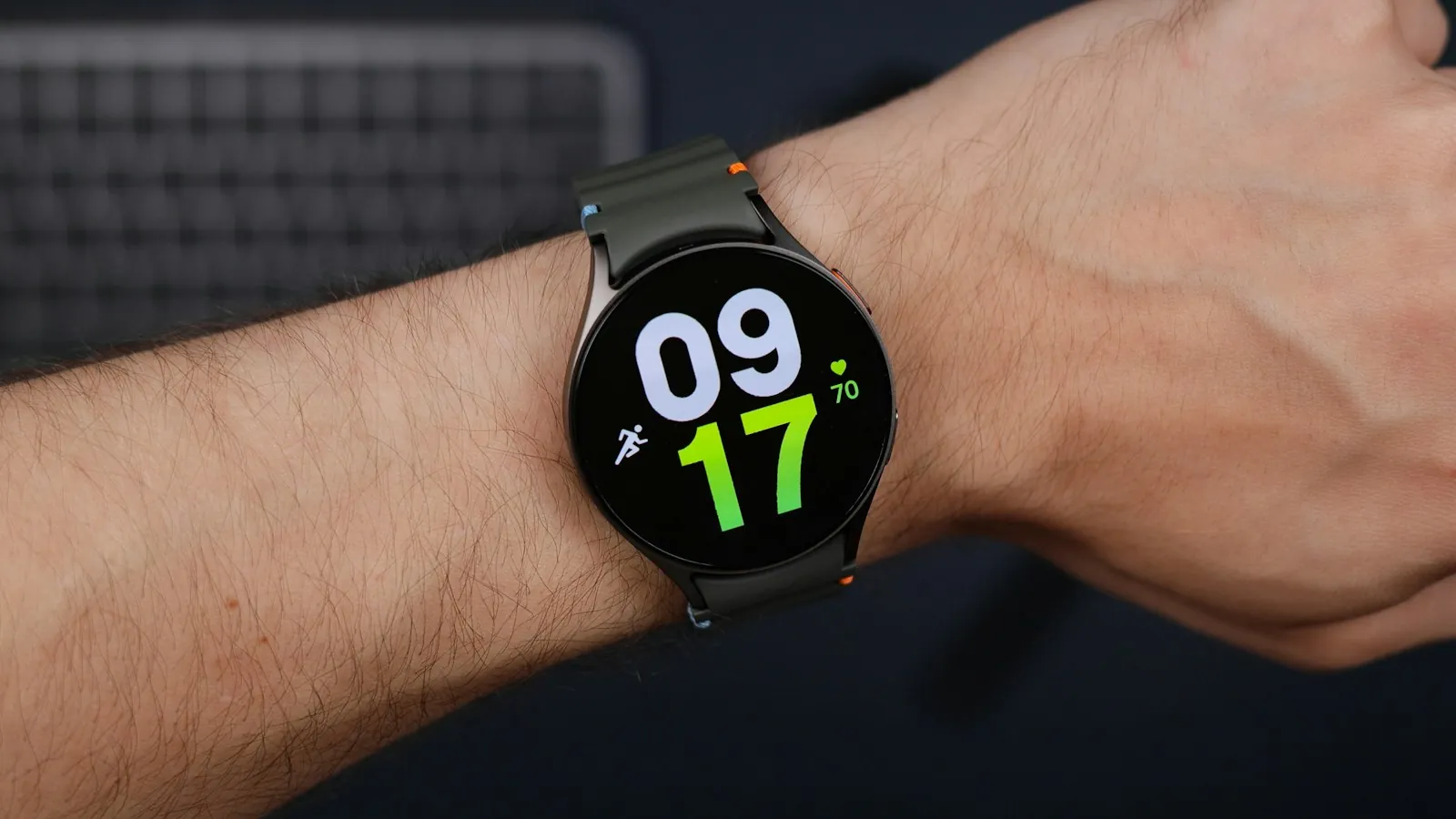
A new study found a Samsung Galaxy Watch flagged 94% of adults with moderate-to-severe sleep apnea. Here's what that means, what it can't do, and what to do if your watch alerts you.