New Johns Hopkins research suggests Alzheimer's disease may leave detectable changes in the brain as much as ten years before memory problems appear. Those years are a window to act on risk factors you can change. Two of them sit in dental sleep medicine: untreated sleep apnea and gum disease, both linked in research to faster cognitive decline or higher dementia risk.
New research from Johns Hopkins, published in NeuroImage: Reports and presented at the Society for Neuroscience's Neuroscience 2026 meeting, suggests Alzheimer's disease may begin changing the brain long before anyone notices a problem with memory. That decade is our window to act.
What did the Johns Hopkins researchers find?
The team examined hundreds of MRI and PET scans from two long-running research projects: the Alzheimer's Disease Neuroimaging Initiative and a study of cognitive decline in people without symptoms. The scans included people with no symptoms, people with cognitive impairment, and patients who later died of the disease.
Doctors typically look to the hippocampus, the brain's memory hub, for early signs of Alzheimer's. This study found that two neighboring regions, the entorhinal cortex and the amygdala, began losing tissue earlier than the hippocampus. Both are involved in memory and emotion, and the shrinkage overlapped with areas showing tau-related changes. Tau is one of the proteins at the center of Alzheimer's disease.
As senior author Michael Miller put it, early changes show up as much as a decade before clinical symptoms.
Important caveats
The "decade" is an upper bound on the early window, not a typical lead time.
The link to tau comes from overlapping patterns on imaging and pathology, not proof of cause.
This is not yet a clinical test. The authors describe potential early biomarkers and say more molecular work is needed.
This study did not look at sleep apnea or oral health.
Why is a dentist talking about Alzheimer's?
If brain changes begin years before symptoms, then those years matter. They are the window in which modifiable risk factors can still make a difference. Two of the strongest candidates sit in my field.
Sleep apnea and cognitive decline
In a University of Florida and Johns Hopkins study that followed people for up to 10 years, untreated sleep apnea was associated with a 69% faster decline in cognitive function than treated sleep apnea. In an earlier University of California, Irvine study of 37 older adults without cognitive impairment, low oxygen levels during REM sleep were linked to changes in brain regions that support memory, even in people with mild apnea scores.
Both findings show association rather than proof, but both point toward the same practical idea: breathing well at night may be part of protecting your brain. Read more: Can sleep apnea treatment help prevent dementia?
Gum disease and dementia risk
In the Hisayama Study, which followed 1,396 Japanese adults aged 60 and older for ten years, people with the deepest gum pockets had a higher risk of dementia than those with the shallowest (hazard ratio 1.72). That, too, is observational. Read more: what your dentist sees that your doctor might not.
No one needs to panic over a scan result they have never had. The real takeaway is hopeful: the brain changes slowly, which gives us time. Time to sleep better, breathe better and care for your mouth and gums, the everyday habits that support a healthy brain.
Your decade-of-opportunity checklist
Get tested if you have symptoms. Snoring, gasping, morning headaches, teeth grinding and unrefreshing sleep are all reasons to ask about a home sleep test. Not sure? Start with our sleep apnea screener.
Treat what you find. If CPAP did not work for you, ask about a custom oral appliance made by a dentist trained in dental sleep medicine.
Keep up with dental cleanings and tell your dentist about your sleep.
Do not wait for symptoms. The point of early science like this is that the best time to protect your brain is when you still feel fine.
Frequently asked questions
Can Alzheimer's disease start years before memory loss?
Research suggests it can. A 2026 Johns Hopkins study of MRI and PET scans found that two brain regions involved in memory and emotion, the entorhinal cortex and the amygdala, began losing tissue before the hippocampus, with early changes appearing as much as a decade before clinical symptoms. Ten years is an upper bound, not a typical lead time, and this is not yet a clinical test.
Is sleep apnea linked to dementia or cognitive decline?
Studies show an association. In a University of Florida and Johns Hopkins study that followed people for up to 10 years, untreated sleep apnea was linked to a 69% faster decline in cognitive function than treated sleep apnea. A 2025 UC Irvine study linked low oxygen during REM sleep to changes in memory-related brain regions. These findings show association, not proof of cause.
Does treating sleep apnea protect the brain?
It has not been proven to prevent dementia, but people whose sleep apnea was treated showed slower cognitive decline than those left untreated in long-term research. Treating sleep apnea also improves sleep quality, daytime alertness, blood pressure and other factors that support brain health.
Is gum disease linked to Alzheimer's?
In the Hisayama Study, which followed 1,396 Japanese adults aged 60 and older for ten years, people with the deepest gum pockets had a higher risk of dementia than those with the shallowest (hazard ratio 1.72). The study is observational, so it shows a link rather than cause and effect. Regular dental cleanings and gum care are simple, low-risk steps.
What are signs I should get a sleep test?
Loud snoring, gasping or choking during sleep, a partner noticing pauses in breathing, morning headaches, teeth grinding, and waking up unrefreshed are all reasons to ask about a sleep test. Many patients can be tested at home with a small wrist device and finger ring.
What if CPAP did not work for me?
Ask about a custom oral appliance made by a dentist trained in dental sleep medicine. It gently holds the lower jaw forward to keep the airway open during sleep. Clinical guidelines recommend oral appliance therapy for adults with obstructive sleep apnea who cannot tolerate CPAP or prefer an alternative.
Take the next step
At Complete Health Sleep SoCal in Poway, we offer at-home sleep tests and custom oral appliances for obstructive sleep apnea. You can book without a referral.
To explore how sleep-disordered breathing may be quietly shaping your health, read my book, Breathe Easy, Sleep Deep, available on Amazon and Audible.
Here's to sleeping well and aging sharp. Dr. Erela Katz Rappaport, D.M.D., D. ABDSM
This article is for informational purposes only and does not constitute medical advice. Always consult a qualified healthcare professional about your health.
The FDA is reviewing AD109, a nightly pill that could become the first drug treatment for obstructive sleep apnea. Here's what the research shows, why women after menopause may respond well, and what it means for CPAP and oral appliances.
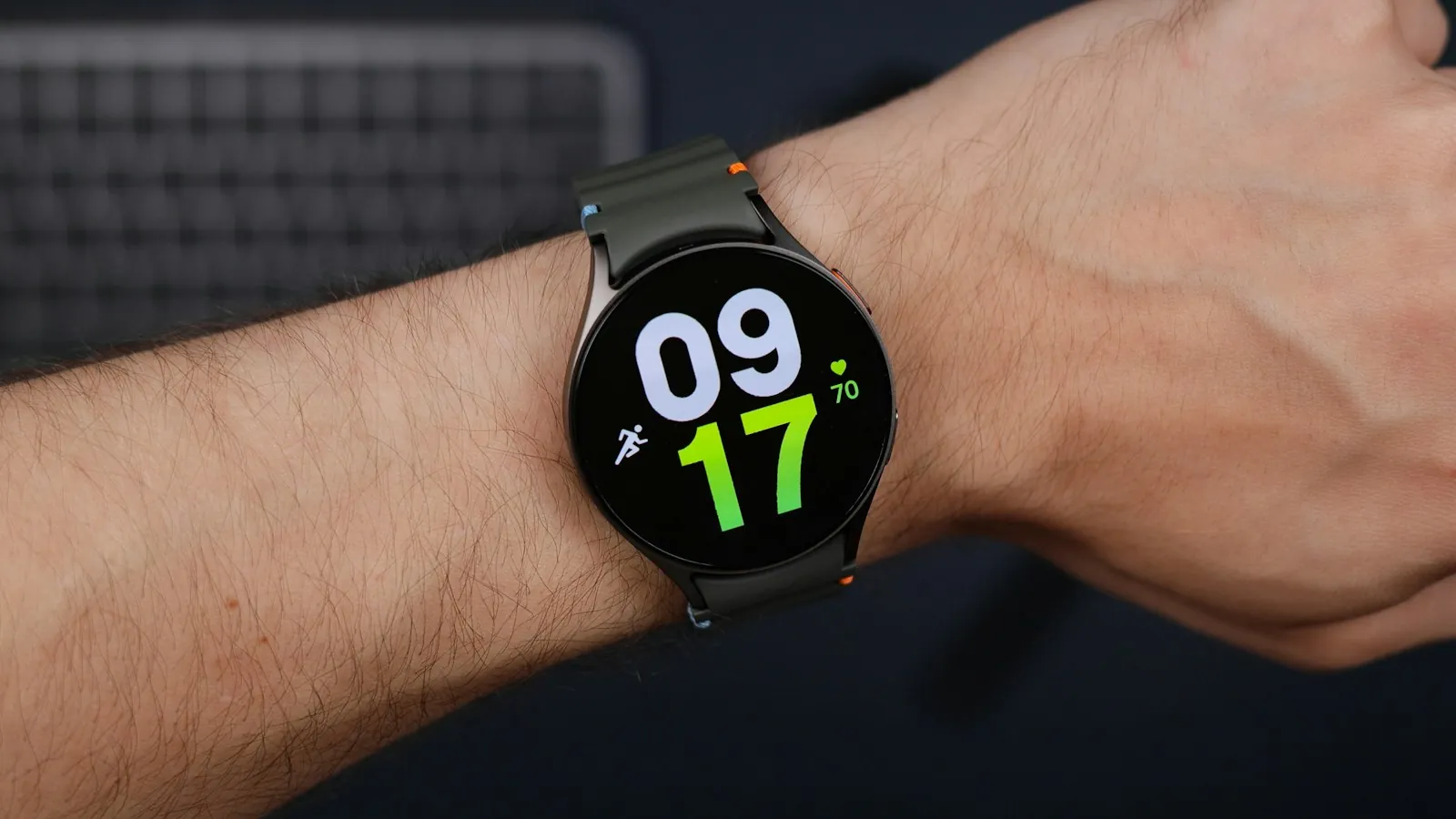
A new study found a Samsung Galaxy Watch flagged 94% of adults with moderate-to-severe sleep apnea. Here's what that means, what it can't do, and what to do if your watch alerts you.
New Johns Hopkins research suggests Alzheimer's leaves marks in the brain up to a decade before memory problems. Here's why sleep apnea and gum health matter during that window, and a simple checklist.