During deep sleep, waves of cerebrospinal fluid rinse through the brain and help clear waste. A 2026 MIT study in Nature Aging found these waves are substantially smaller in older adults, largely because blood vessels respond more weakly. Obstructive sleep apnea breaks up deep sleep and strains blood vessels, so treating it is one practical way to protect your brain's night shift.
Every night, while you sleep, your brain rinses itself. Waves of cerebrospinal fluid (CSF) pulse through the brain and help carry away waste. This week, researchers at MIT showed that this cleaning system gets weaker as we age. Their findings are a strong reminder that deep, uninterrupted sleep is something we have to protect, especially as the years go by.
What did the MIT researchers find?
The study, published in Nature Aging and led by neuroscientist Laura Lewis, compared younger adults (ages 18–39) with older adults (ages 60–84). Volunteers fell asleep inside an MRI scanner while the team measured blood flow, CSF movement and brain-wave activity at the same time.
Younger brains clean vigorously. As younger adults entered deep non-REM sleep, their slow brain waves grew stronger, and large waves of CSF followed.
Older brains clean less. On average, older adults had substantially smaller CSF waves. This wasn't simply because they slept less.
Blood vessels play a big role. In older adults, blood vessels responded more weakly to the brain's demands. That weaker response explained much of the drop in fluid movement.
Brain tissue may be affected. Older participants who showed signs of gray-matter loss also had the largest reductions in CSF flow.
There is reason for hope. Some older adults still had CSF waves in the same range as healthy young adults. The researchers now want to learn what protects them.
The authors are careful to note that this is an association. It does not prove that weaker brain cleaning causes dementia, but it gives researchers a promising early warning sign to study. (For more on that topic, see the connection between sleep apnea and dementia.)
Why does this matter for people with sleep apnea?
The brain's cleaning cycle depends on deep, slow-wave sleep and healthy blood vessels. Obstructive sleep apnea (OSA) puts pressure on both.
OSA fragments deep sleep. Each time the airway collapses, the brain partly wakes up to restart breathing. Some people do this dozens of times an hour, often without remembering it. Every interruption cuts into the slow-wave sleep that drives CSF flow.
OSA stresses blood vessels. Repeated drops in oxygen strain the vascular system. Vascular responsiveness is exactly the factor this study linked to weaker brain cleaning.
Aging and OSA add up. OSA becomes more common with age. If the cleaning system is already weakening, untreated apnea adds one more hit on top of it.
This study didn't test whether treating OSA strengthens the brain's CSF waves. That question is still open. What we do know is that untreated OSA has long been linked to memory problems, brain fog and cardiovascular disease, and that effective treatment lets people sleep through the night again. When the airway stays open, deep sleep is no longer broken up hour after hour.
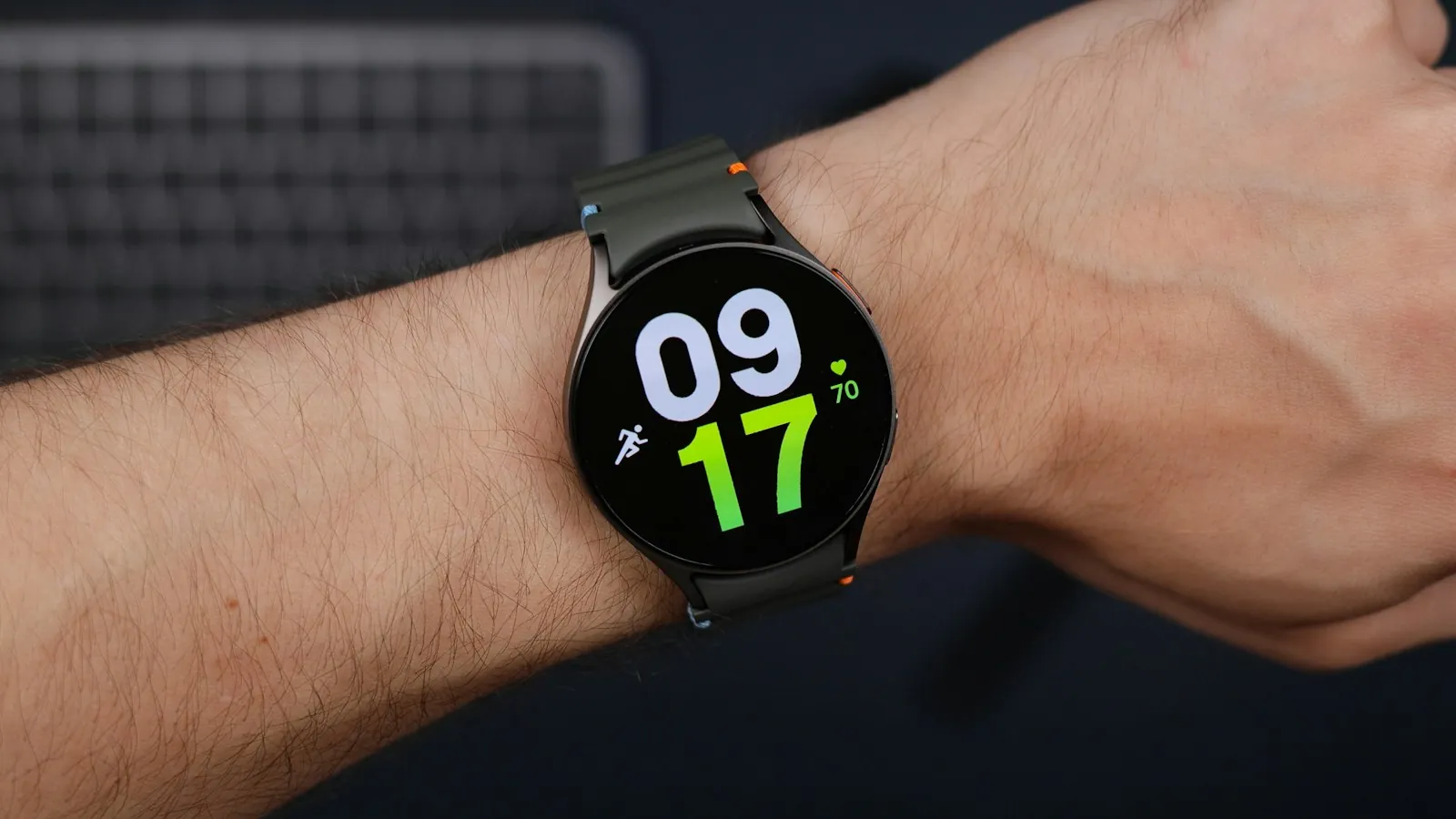
Get tested. A home sleep test can now be as simple as a wrist device and a ring worn overnight.
Find a treatment you can stay with. CPAP works well for many people. For people who can't tolerate it, a custom oral appliance is a comfortable, effective alternative to CPAP.
Support your sleep during the day. Regular physical activity and a consistent sleep schedule help your body reach deep sleep.
Frequently asked questions
Does the brain clean itself during sleep?
Yes. During deep non-REM sleep, slow brain waves are followed by waves of cerebrospinal fluid (CSF) that pulse through the brain and help carry away waste. Researchers often call this the brain's nightly cleaning cycle.
Does the brain's cleaning system weaken with age?
A 2026 MIT study published in Nature Aging found that adults aged 60 to 84 had substantially smaller CSF waves during sleep than adults aged 18 to 39, and this was not simply because they slept less. Weaker blood vessel responses explained much of the drop. Some older adults still had CSF waves in the same range as healthy young adults.
Does weaker brain cleaning cause dementia?
Not proven. The MIT study shows an association, not cause and effect. It gives researchers a promising early warning sign to study, but it does not show that weaker brain cleaning causes dementia.
How does sleep apnea affect the brain's cleaning cycle?
Obstructive sleep apnea fragments deep sleep, because the brain partly wakes up each time the airway collapses, sometimes dozens of times an hour. Repeated drops in oxygen also strain blood vessels. Deep sleep and healthy blood vessels are the two things the brain's cleaning cycle depends on. The MIT study did not test whether treating sleep apnea strengthens CSF waves.
How can I protect my deep sleep?
Take snoring, gasping, morning headaches, daytime sleepiness and brain fog seriously and get evaluated. If you have sleep apnea, choose a treatment you can stay with, such as CPAP or a custom oral appliance. Regular physical activity and a consistent sleep schedule also help your body reach deep sleep.
Do I need a referral to be seen for sleep apnea?
Not at Complete Health Sleep SoCal. You can book without a referral, including with Medicare. We can arrange your physician evaluation and home sleep test, or work with your own doctor.
Personalized sleep apnea care in Poway and San Diego
At Complete Health Sleep SoCal in Poway, we help patients across San Diego County find sleep apnea treatment that fits their lives. You can book with us without a referral. We can arrange your physician evaluation and home sleep test, or work with your own doctor. We create custom oral appliances, and we bill medical insurance, including Medicare. For patients who already have a diagnosis, the process from consultation to wearing an appliance usually takes about 2–3 weeks.
Protecting your sleep is one of the most practical steps you can take for your brain.
Want to go deeper? My book, Breathe Easy, Sleep Deep, explains how sleep-disordered breathing affects your energy, your health and your brain, and why oral appliance therapy has changed life for so many patients. It's available on Amazon in paperback and Kindle, and on Audible.
This article first appeared in my weekly LinkedIn newsletter, Sleep, Smiles & Synapses. Subscribe there for new research on sleep, oral health and the brain.
This article is for educational purposes only and is not medical advice. Please consult a qualified healthcare provider about your individual situation.
New Johns Hopkins research suggests Alzheimer's leaves marks in the brain up to a decade before memory problems. Here's why sleep apnea and gum health matter during that window, and a simple checklist.
The FDA is reviewing AD109, a nightly pill that could become the first drug treatment for obstructive sleep apnea. Here's what the research shows, why women after menopause may respond well, and what it means for CPAP and oral appliances.
A new study found a Samsung Galaxy Watch flagged 94% of adults with moderate-to-severe sleep apnea. Here's what that means, what it can't do, and what to do if your watch alerts you.